Small-Scale Gold Mining and Primary Quartz Processing: Equipment Solutions for the Sand and Aggregate Industry
The sand and aggregate industry plays a critical role in construction, infrastructure, and mining sectors. For small-scale gold mining operations, primary quartz processing is a key step in extracting valuable minerals. Efficient crushing and grinding equipment are essential to maximize yield while minimizing operational costs.
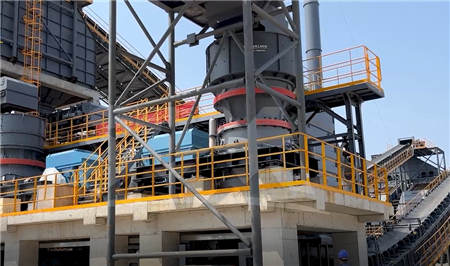
Small-scale gold mining often involves processing hard rock ores like quartz, which requires robust machinery to break down the material into manageable sizes. Primary crushing is the first stage, where jaw crushers or hammer mills reduce large quartz rocks to smaller fragments (typically 50-100mm). Secondary grinding then further pulverizes the material for gold extraction via gravity separation or leaching methods.
1. Jaw Crushers: Ideal for primary crushing due to their high reduction ratio and durability. Models like PE 150×250 or PE 250×400 are common in small-scale operations.
2. Hammer Mills: Suitable for softer quartz varieties, offering faster processing with lower energy consumption.
3. Ball Mills & Rod Mills: Used for fine grinding after primary crushing, ensuring optimal liberation of gold particles.
4. Vibrating Screens: Separate crushed material into different sizes for efficient downstream processing.
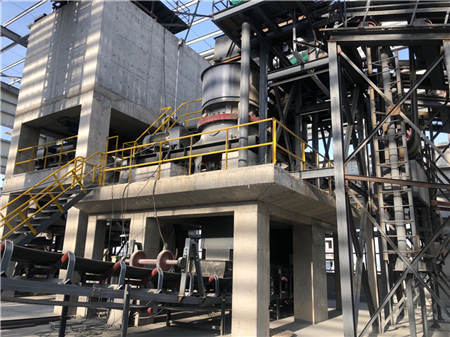
A small gold mine in Tanzania upgraded from manual hammering to a semi-mechanized system using a jaw crusher and ball mill setup. This improved throughput by 300%, reducing processing time from 8 hours to just 2 hours per ton of ore while increasing gold recovery rates by 15%.
By selecting appropriate crushing and grinding equipment, small-scale miners can enhance productivity while maintaining cost efficiency—key factors in sustaining profitable operations within the sand and aggregate sector.

