Graphite Screening Equipment and Its Role in the Aggregate Industry
The aggregate industry plays a critical role in construction, infrastructure, and mining, supplying essential materials like sand, gravel, and crushed stone. Among the key processes in this sector is screening, which ensures proper particle size distribution for end-use applications. Graphite screening equipment, though less common than traditional steel-based screens, offers unique advantages in specific scenarios, particularly where corrosion resistance or lightweight properties are prioritized.
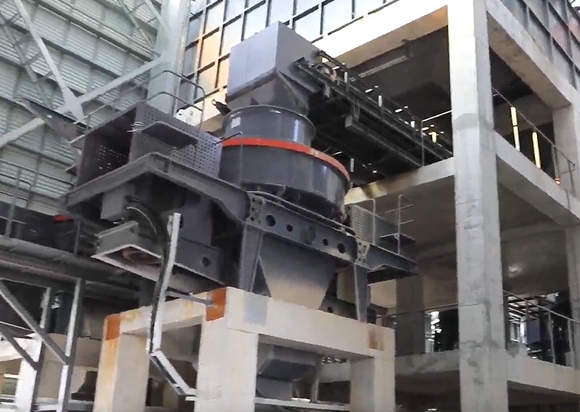
Aggregate production involves multiple stages: extraction, crushing, screening, and washing. Screening separates materials into different sizes, ensuring quality and compliance with project specifications. While most screening equipment uses woven wire mesh or polyurethane panels, graphite-based screens are niche solutions suited for specialized environments—such as chemical processing or high-temperature applications—where durability and non-reactivity are crucial.
1. Corrosion Resistance – Graphite screens excel in acidic or alkaline environments where metal screens degrade quickly.
2. High-Temperature Stability – Suitable for industries like metallurgy or energy production where heat resistance is required.
3. Lightweight Design – Reduces structural load on vibrating screens, potentially lowering energy consumption.
4. Customizable Mesh Patterns – Can be tailored for precise particle separation needs.
However, graphite screens are not ideal for high-impact applications (e.g., primary crushing) due to brittleness compared to steel or polyurethane alternatives.
Graphite screening equipment typically carries a higher upfront cost than conventional options due to material expenses and specialized manufacturing processes. However, longevity in harsh conditions may justify the investment through reduced replacement frequency and downtime. Key cost factors include:
1. Where is graphite screening most applicable?
Primarily in chemical processing, high-temperature sorting, or corrosive environments where traditional materials fail.
2. How does graphite compare to polyurethane screens?
Polyurethane offers better impact resistance but lacks graphite’s thermal and chemical stability.
3. Can graphite screens handle abrasive materials?
Limited suitability; abrasive feeds (e.g., granite) may cause premature wear compared to hardened steel screens.
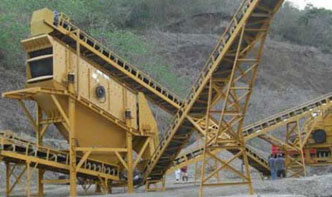
A mining operation processing lithium ore (which involves acidic slurry) replaced stainless steel screens with graphite panels after frequent corrosion failures. The switch reduced downtime by 30% over six months despite higher initial costs—demonstrating ROI in aggressive environments.
While not a mainstream choice for general aggregate production, graphite screening equipment fills a vital niche where extreme conditions demand unconventional solutions. Evaluating total cost of ownership—rather than just purchase price—helps determine its viability for specialized projects requiring durability beyond conventional materials’ limits.

