The Role of Jaw Crushers in Modern Aggregate Processing
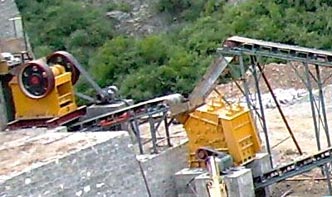
The aggregate and sand production industry is a cornerstone of infrastructure development, supplying materials for construction, roads, and concrete. Among the key equipment in this sector, jaw crushers stand out for their reliability and efficiency in primary crushing applications. A jaw crusher with a 1-meter feed opening and a target product size of P80 100 mm is a common configuration for medium-to-large-scale operations.
Core Functionality of Jaw Crushers
Jaw crushers operate by compressing material between a fixed and a movable jaw plate. The robust design ensures high throughput and consistent particle size reduction, making them ideal for hard rock, granite, or basalt processing. Key features include:
Industry Applications
Jaw crushers are widely used in:
1. Quarrying: Primary crushing of blasted rock before secondary cone or impact crushing.
2. Recycling: Processing demolition concrete into reusable aggregates.
3. Mining: Pre-treatment of ore for further milling.
Common FAQs
Q: How to optimize jaw crusher performance?
A: Regular maintenance (e.g., jaw plate inspection, lubrication) and proper feed control (avoid overloading) are critical.
Q: What’s the typical lifespan of wear parts?
A: Depending on material hardness, manganese jaw plates last 3–6 months in abrasive conditions.
Q: Can jaw crushers handle wet or sticky materials?
A: Not recommended; moisture can cause clogging. Pre-screening or grizzly feeders may help.
Engineering Case Study
A granite quarry in Texas upgraded to a 1m P80 100 mm jaw crusher, achieving a 30% increase in production while reducing energy consumption by 15%. The consistent output improved downstream screening efficiency, lowering operational costs.
Conclusion
Jaw crushers remain indispensable in aggregate processing due to their simplicity and versatility. For operations targeting P80 100 mm products, selecting the right model and maintaining it properly ensures long-term profitability and productivity gains.

