The Essential Guide to Aggregate Crushing Machines and the Sand & Gravel Industry
The global demand for sand, gravel, and crushed stone continues to rise, driven by urbanization, infrastructure development, and construction projects. Aggregates are fundamental materials in concrete, asphalt, and road bases, making crushing equipment a cornerstone of modern construction. With stricter environmental regulations and the need for high-quality materials, the industry is shifting toward efficient, sustainable crushing solutions.
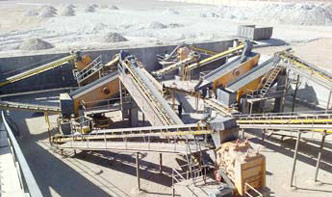
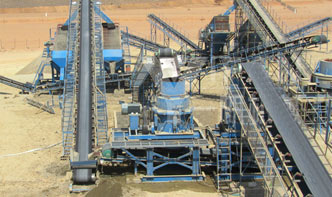
Aggregate crushing machines break down large rocks into smaller sizes for construction use. Key types include:
1. Jaw Crushers: Ideal for primary crushing, handling hard materials like granite and basalt.
2. Cone Crushers: Suited for secondary/tertiary crushing, producing finely shaped aggregates.
3. Impact Crushers: Versatile for soft to medium-hard rocks, often used in recycling applications.
4. Vertical Shaft Impactors (VSI): Specialized for producing high-quality manufactured sand (M-sand).
Modern machines feature automation, energy efficiency, and adjustable settings to meet varying output requirements while reducing operational costs.
1. What’s the difference between natural and manufactured sand?
Natural sand is river-dug; M-sand is produced by crushing rocks, offering better consistency and fewer impurities.
2. How to reduce dust in crushing operations?
Use water sprays, dust suppression systems, or enclosed crushing chambers.
3. Which crusher is best for recycling concrete?
Impact crushers handle recycled concrete efficiently while separating rebar.
4. What maintenance do crushers require?
Regular lubrication, wear-part inspections (e.g., jaw plates), and belt tension checks prevent downtime.
A quarry in Texas upgraded from a traditional jaw-cone setup to a VSI-based system to improve sand production quality. The new setup increased yield by 25% while reducing waste, meeting ASTM standards for concrete sand without additional washing steps—showcasing how technology optimizes both output and sustainability.
By investing in the right crushing technology, producers can enhance efficiency, comply with regulations, and secure long-term profitability in the evolving aggregates market.

