Selecting the Right Screen Size for Your Crusher Plant: A Comprehensive Guide
The crushing and screening industry is a cornerstone of modern construction, mining, and infrastructure development. Choosing the correct screen size for your crusher plant is critical to optimizing efficiency, product quality, and operational costs.
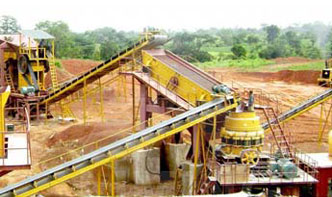
Aggregate production relies on crushing and screening equipment to process raw materials into usable sizes for concrete, asphalt, and road base. The screen size directly impacts the final product gradation, affecting everything from structural integrity to marketability.
1. Material Characteristics – Hardness, abrasiveness, and moisture content influence screen wear and throughput.
2. Desired Output Size – Screens must match the target product specifications (e.g., 0-5mm for sand or 20-40mm for coarse aggregate).
3. Crusher Type – Jaw, cone, or impact crushers produce different particle distributions; screens must complement the crusher’s discharge profile.
4. Capacity Requirements – Larger screens handle higher volumes but may sace precision in fine screening applications.
Q: How do I prevent screen blinding?
A: Use anti-clogging meshes or rubber panels for sticky materials and ensure proper screen inclination.
Q: What’s the lifespan of a screen panel?
A: Depends on material abrasiveness—typically 3-12 months. Polyurethane panels last longer than steel in abrasive conditions.
A quarry in Texas upgraded to a custom-designed 3-deck vibrating screen paired with a cone crusher, increasing production by 30% while reducing oversize waste by 15%. Proper aperture sizing ensured consistent ASTM-compliant aggregates for local road projects.
Always consult with equipment manufacturers to match screen specifications with your feed material and production goals. Regular maintenance and real-time monitoring further enhance efficiency and longevity.
By understanding these principles, operators can maximize productivity while minimizing downtime in their crushing and screening operations.

