The Role of Cone Crushers in the Aggregates and Sand Production Industry
The aggregates and sand production industry is a cornerstone of modern infrastructure development, supplying materials for construction, roads, and concrete. Among the key equipment in this sector, cone crushers stand out for their efficiency in reducing hard and abrasive materials into uniformly sized particles.
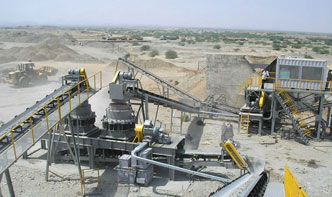
Cone crushers operate by compressing rock between a gyrating spindle and a concave hopper. Their design ensures:
Modern variants, like hydraulic cone crushers, offer automated adjustments for optimal performance under varying load conditions.
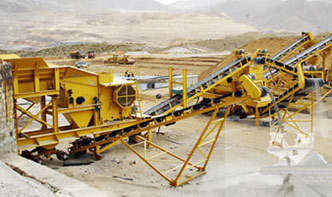
1. Quarrying: Primary and secondary crushing of granite, basalt, and limestone.
2. Recycling: Processing demolition waste into reusable aggregates.
3. Mining: Pre-concentration of ores before further processing.
Q: How to minimize wear in cone crushers?
A: Use quality manganese liners, maintain proper feed distribution, and avoid overloading.
Q: What’s the difference between standard and short-head cone crushers?
A: Standard models excel in coarse crushing, while short-head designs produce finer outputs for tertiary stages.
Q: How to troubleshoot uneven product sizing?
A: Check wear parts, adjust the closed-side setting (CSS), and ensure consistent feed material.
A quarry in Texas upgraded to a multi-cylinder hydraulic cone crusher to replace an aging jaw-cone setup. The result:
Cone crushers are indispensable in aggregates processing, balancing productivity with precision. Innovations in automation and wear resistance continue to push operational boundaries, making them a smart investment for sustainable material production. For optimal results, pair equipment selection with expert maintenance practices.

