The Evolving Landscape of Sand and Aggregate Processing: Innovations in Crushing and Screening Equipment
The global construction boom has fueled unprecedented demand for high-quality sand and aggregate, driving advancements in crushing and screening technologies. As natural sand reserves deplete, manufactured sand (M-Sand) produced by crushing hard rocks like granite, basalt, and limestone has become a sustainable alternative. This shift underscores the critical role of modern roller conveyors, jaw crushers, cone crushers, and vertical shaft impactors (VSI) in ensuring consistent gradation and particle shape—key metrics for concrete strength and durability.
Core Equipment Breakdown
1. Primary Crushers (Jaw/Gyratory): Reduce large rocks (>1m) to manageable sizes (150–300mm). Heavy-duty designs prioritize wear resistance.
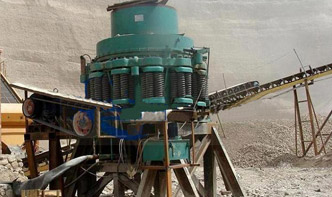
2. Secondary/Tertiary Crushers (Cone/VSI): Fine-tune output to 5–40mm. VSIs excel in cubical shaping for M-Sand.
3. Roller Conveyors: Essential for seamless material transfer between stages. Their 2D CAD designs emphasize load capacity, incline angles, and dust-proofing.
4. Screens (Vibrating/Flip-Flow): Separate particles by size; high-frequency screens handle sticky materials.
Industry Challenges & Solutions
FAQ Section
Q: How does M-Sand compare to river sand?
A: M-Sand offers superior consistency, zero impurities, and better bonding with cement due to angular particles.
Q: What’s the optimal crusher layout for hard basalt?
A: A three-stage system (jaw → cone → VSI) with pre-screening minimizes recirculation load.
Case Study: Quarry Expansion in Texas
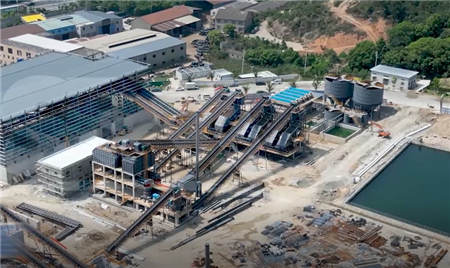
A granite quarry upgraded to a 500TPH plant featuring:
Output: 0–5mm M-Sand (28% yield), 5–20mm aggregate (52% yield)—meeting ASTM C33 specs with <15% downtime annually.
As sustainability regulations tighten, the sector’s future lies in automation (AI-powered sorting) and circular economy models (recycling demolition waste). Investing in robust CAD-designed systems ensures scalability amid fluctuating demand.

