The Growing Demand for Plaster Feeding Equipment in the Aggregates Industry
The global construction sector is witnessing rapid growth, driven by urbanization and infrastructure development. This has increased the demand for high-quality sand and aggregates, making efficient plaster feeding equipment a critical component in crushing and screening plants.
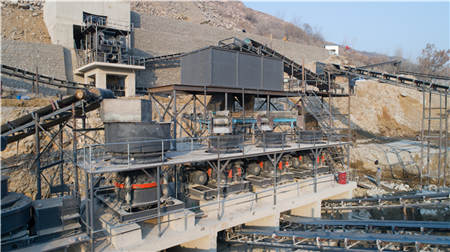
Sand and gravel are essential raw materials for construction, concrete production, and road building. With natural sand reserves depleting, manufactured sand (M-Sand) produced through crushing and screening processes has become a sustainable alternative. Plaster feeding equipment plays a vital role in ensuring consistent material flow into crushers, optimizing production efficiency.
Modern plaster feeders are designed to handle abrasive materials while minimizing wear and maintenance. Key features include:
The price of plaster feeding equipment varies based on:
1. What maintenance does plaster feeding equipment require?
Regular inspection of liners, belts, and bearings is essential to prevent downtime.
2. Can it handle wet or sticky materials?
Specialized designs with vibratory or belt cleaners can manage such conditions.
3. How does it integrate with existing crushing plants?
Most feeders are customizable to fit different crusher inlets and conveyor systems.
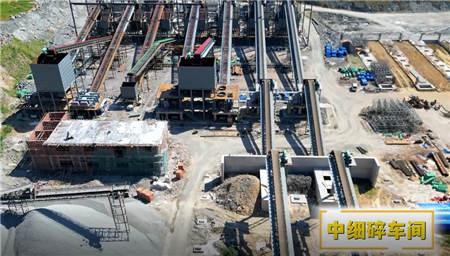
A quarry in Texas upgraded to an automated plaster feeder, increasing production by 20% while reducing unplanned stoppages. The system’s real-time monitoring helped optimize feed rates, extending crusher liner life by 15%.
As the demand for manufactured sand grows, investing in reliable plaster feeding equipment ensures operational efficiency and cost savings. Manufacturers must balance upfront costs with long-term durability to maximize value in the aggregates industry.

