The Cost of Quarry Basalt and Its Role in Aggregate Production
The quarrying of basalt is a critical process in the construction and infrastructure sectors, providing durable raw materials for aggregates, asphalt, and concrete. Basalt’s high compressive strength and resistance to wear make it ideal for road bases, railway ballast, and architectural applications. However, the cost of quarry basalt varies significantly based on location, extraction methods, and processing requirements.
1. Extraction & Logistics: Remote quarries incur higher transportation costs.
2. Processing Technology: Crushing/screening efficiency impacts final pricing.
3. Market Demand: Regional construction activity drives price fluctuations.
4. Environmental Compliance: Permits and sustainability measures add overhead.
On average, raw basalt ranges from $10–$50 per ton, while processed aggregates (e.g., crushed stone) may cost $15–$75 per ton, depending on gradation and purity.
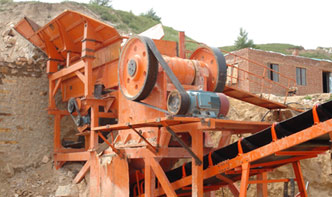
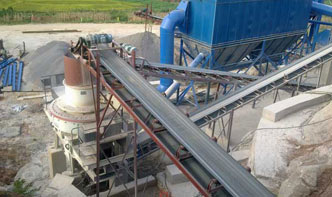
Modern quarries rely on robust crushing systems:
Q: Can basalt replace granite in concrete mixes?
A: Yes—its superior abrasion resistance makes it suitable for high-strength applications.
Q: How to minimize dust in basalt crushing?
A: Use water sprays, enclosed conveyors, and baghouse filters for OSHA compliance.
A quarry supplied 500,000 tons of basalt aggregate for I-35 expansion, using a 3-stage crushing circuit (jaw + cone + VSI) to meet DOT specifications for durability (<5% wear loss). The project reduced costs by 18% through on-site processing versus imported gravel.
Quarry basalt’s value lies in its versatility and longevity. Investing in efficient crushing technology ensures cost-effective production while meeting industry standards for quality and sustainability.

