How to Establish a Stone Crusher Plant: A Comprehensive Guide
The stone crushing and sand-making industry plays a vital role in infrastructure development, providing essential raw materials for construction, roads, and concrete production. Establishing a stone crusher plant requires careful planning, equipment selection, and compliance with regulations. Below is a step-by-step guide to help you navigate the process.
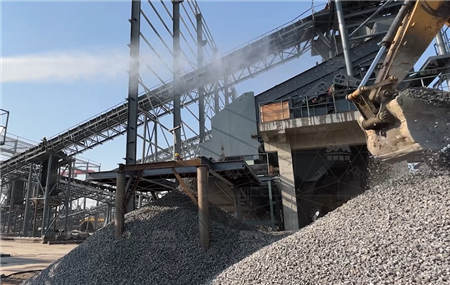
The demand for high-quality aggregates continues to rise due to urbanization and infrastructure projects globally. Stone crusher plants process raw materials like granite, limestone, and basalt into various sizes of crushed stone, sand, and gravel for different applications.
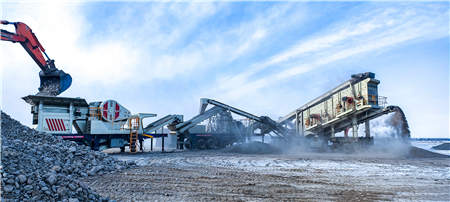
The core equipment includes:
Q1: What is the typical investment cost for a stone crusher plant?
A: Costs vary based on capacity (50–500 TPH) but range from $200,000–$2 million+, including equipment, land, and permits.
Q2: How do I choose between stationary and mobile crushers?
A: Stationary plants suit large-scale production; mobile crushers are ideal for temporary sites or frequent relocation needs.
Q3: What maintenance is required?
A: Regular lubrication, wear-part replacement (e.g., jaw plates), and belt inspections ensure long-term efficiency.
A quarry in Texas installed a 300 TPH crushing plant with a jaw crusher (primary), cone crusher (secondary), and VSI sand maker, achieving 25% higher output than manual processing while reducing dust emissions by 40%.
Establishing a stone crusher plant involves strategic planning from site selection to operational management. By investing in the right equipment and adhering to regulations, businesses can capitalize on the growing demand for construction aggregates while ensuring sustainability and profitability.