The Essential Role of Crusher Plants in Quartz Crushing for the Aggregates Industry
The aggregates industry is a cornerstone of modern infrastructure, providing the raw materials for construction, road building, and industrial applications. Among the key materials processed, quartz stands out due to its hardness, durability, and widespread use in concrete, glass manufacturing, and engineered stone. Crusher plants designed for quartz crushing play a pivotal role in transforming raw quartz into high-quality aggregates with precise particle sizes.
Quartz, with a Mohs hardness of 7, demands robust crushing solutions to minimize wear and maximize efficiency. A well-designed crusher plant typically integrates:
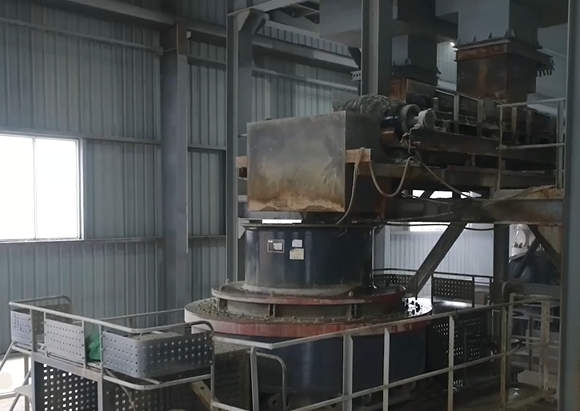
1. Wear Resistance: Quartz’s abrasiveness necessitates high-chrome or manganese steel components in crushers.
2. Energy Efficiency: Modern plants leverage automated controls to optimize power consumption per ton of output.
3. Dust Suppression: Wet crushing or enclosed systems mitigate silica dust exposure, aligning with OSHA/MSHA regulations.
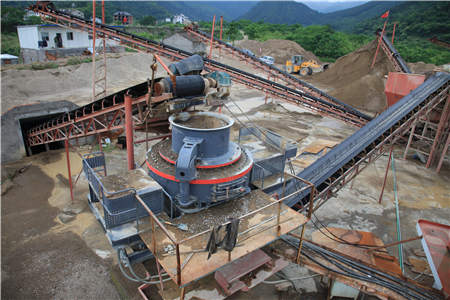
Q1: What is the typical output size range for quartz crusher plants?
A: Depending on configuration, outputs can range from coarse aggregates (20–40 mm) to fine sand (0–5 mm).
Q2: How to reduce maintenance costs in quartz crushing?
A: Regular liner inspections, proper lubrication, and adopting modular wear parts can extend equipment lifespan.
Q3: plants handle mixed-material feeds (e.g., quartz with feldspar)?
A: Yes, but selective screening or additional sorting may be required to meet purity standards.
A Texas-based aggregates producer upgraded to a 300 TPH crusher plant featuring a VSI crusher and multi-stage screening. The result:
Investing in a purpose-built crusher plant for quartz ensures operational efficiency, product quality, and compliance with environmental standards. As demand for high-purity quartz grows across industries, optimizing crushing processes will remain critical for competitive advantage.

