Crushing and Screening Plants: The Backbone of Aggregate Production
The global construction industry relies heavily on high-quality aggregates for infrastructure, residential, and commercial projects. Crushing and screening plants play a pivotal role in producing these materials efficiently, transforming raw rock into usable sand, gravel, and crushed stone. With urbanization and sustainable development driving demand, modern plants integrate advanced technology to optimize output while minimizing environmental impact.
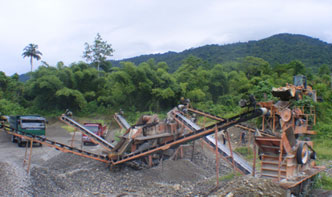
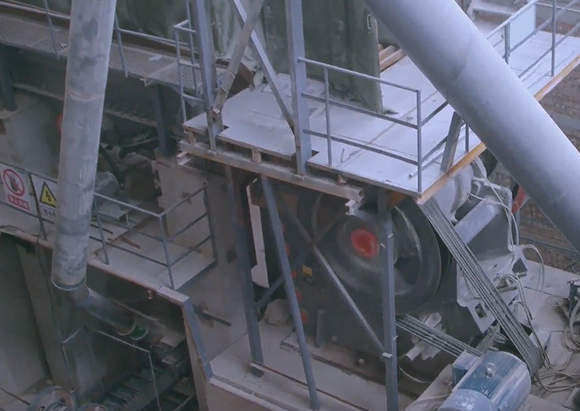
1. Primary Crusher: Jaw or gyratory crushers break large rocks into manageable sizes.
2. Secondary/Tertiary Crushers: Cone or impact crushers refine material further for specific applications (e.g., road base or concrete sand).
3. Screening Equipment: Vibrating screens separate aggregates by size, ensuring product consistency.
4. Conveyors & Feeders: Automated systems streamline material flow, reducing downtime.
5. Control Systems: IoT-enabled monitoring enhances efficiency and predictive maintenance.
Q: What’s the difference between washed and unwashed sand?
A: Washed sand undergoes water treatment to remove impurities, making it ideal for concrete. Unwashed sand is cost-effective for fill or fill material; unwashed retains fine particles for better compaction.
Q: How to reduce wear on crusher liners?
A: Optimize feed size, avoid overloading, and use abrasion-resistant alloys like manganese steel.
Q: Can recycled concrete be processed?
A: Yes—modern plants crush demolition waste into reusable aggregates, supporting circular economy goals.
A granite quarry upgraded to a 500 TPH mobile crushing plant, reducing fuel consumption by 20% via hybrid drives and automated screening. The result? Consistent ¾” aggregate production with <3% oversize material, meeting DOT standards for highway projects.
From raw rock to refined aggregates, crushing and screening plants are engineering marvels that balance productivity with sustainability—ensuring the built environment rises on a solid foundation.

