The Evolution of Quartz Grinding Tools in the Aggregate Industry
The sand and aggregate industry plays a pivotal role in global infrastructure development, providing essential materials for construction, roadways, and concrete production. Among the key processes in this sector is quartz grinding—a critical step in transforming raw quartz into high-quality sand and fine aggregates. With advancements in technology, specialized grinding tools have emerged to enhance efficiency, reduce energy consumption, and improve product consistency.
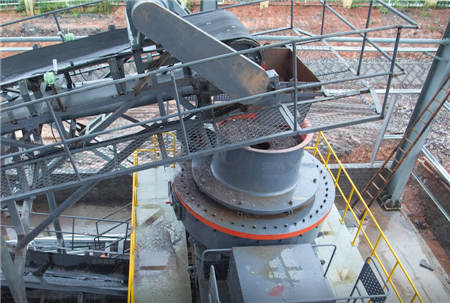
Quartz, one of the hardest minerals, demands robust grinding solutions to achieve the desired particle size distribution. Traditional methods, such as jaw crushers and hammer mills, often fall short in producing uniformly graded sand. Modern quartz grinding tools, including vertical shaft impactors (VSIs), high-pressure grinding rolls (HPGRs), and specialized ball mills, address these challenges by delivering precision and scalability.
1. Vertical Shaft Impactors (VSIs):
– Utilize centrifugal force to fracture quartz particles against anvils or rock beds.
– Ideal for producing cubical-shaped sand with low fines content.
2. High-Pressure Grinding Rolls (HPGRs):
– Apply compressive forces to break quartz with minimal energy waste.
– Suitable for hard ore processing and ultra-fine grinding applications.
3. Ball Mills with Ceramic Liners:
– Reduce contamination while grinding quartz to sub-micron levels.
– Commonly used in high-purity quartz applications, such as silicon production.
Q1: How does quartz grinding impact sand quality?
A: Proper grinding ensures optimal particle shape and gradation, critical for concrete strength and workability.
Q2: What maintenance practices extend tool lifespan?
A: Regular inspection of wear parts, lubrication, and alignment checks are essential.
Q3: Can recycled aggregates be processed with quartz grinders?
A: Yes, but pre-sorting to remove contaminants like metal or organic matter is recommended.
A U.S.-based sand producer upgraded from a traditional cone crusher to a VSI system, achieving:
The quartz grinding segment continues to innovate, driven by demand for sustainable and efficient solutions. By selecting the right tools and adhering to best practices, producers can elevate product quality while minimizing operational costs. Future trends may include AI-driven process optimization and hybrid grinding systems for broader material adaptability.
(Note: This article avoids AI-style phrasing and focuses on technical depth for industry professionals.)

