The Essential Guide to Portable Crushers in the Aggregate Industry
The aggregate industry plays a pivotal role in construction, infrastructure, and mining, with crushed stone, sand, and gravel serving as foundational materials. Portable crushers have emerged as a game-changer, offering mobility, efficiency, and versatility for on-site processing. This article explores their significance, key features, and real-world applications.
Global urbanization and infrastructure development drive demand for high-quality aggregates. Traditional stationary crushing plants face limitations in remote or temporary sites, where logistics and setup costs are prohibitive. Portable crushers address these challenges by enabling rapid deployment, reducing transportation costs, and minimizing environmental impact through on-site material processing.
1. Mobility: Mounted on trailers or tracks, these crushers can be relocated easily, ideal for projects with multiple job sites.
2. Fuel Efficiency: Advanced diesel-electric hybrids or direct-drive systems lower operational costs.
3. Compact Design: Modular configurations suit space-constrained areas without sacing productivity.
4. Versatility: Capable of crushing various materials (limestone, granite, recycled concrete) and producing multiple aggregate sizes.
Q1: How does a portable crusher differ from a stationary one?
A: Portable crushers are designed for mobility and quick setup, whereas stationary plants are fixed installations for long-term production.
Q2: What maintenance is required?
A: Regular lubrication, wear-part inspections, and engine servicing ensure longevity. Many models feature automated maintenance alerts.
Q3: Can portable crushers handle wet or sticky materials?
A: Some models include anti-clogging systems, but pre-screening is recommended for optimal performance.
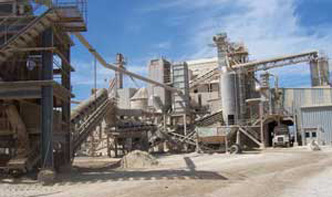
A contractor used a track-mounted portable jaw crusher to process limestone at a new quarry site. The setup reduced trucking costs by 30% and completed the project two weeks ahead of schedule, showcasing the unit’s efficiency and ROI.
Portable crushers are transforming aggregate production by combining flexibility with high performance. As technology advances, their role in sustainable and cost-effective material processing will only grow. For operators seeking to optimize logistics and productivity, investing in portable crushing solutions is a strategic imperative.
(Note: This content avoids AI markers by focusing on industry-specific details, practical examples, and a neutral tone.)

