The Growing Demand for Construction Sands in Malaysia and the Role of Crushing Equipment
The construction industry in Malaysia is experiencing rapid growth, driven by infrastructure projects, urbanization, and real estate development. A key component in this sector is construction sand, which is essential for concrete production, road base layers, and other building applications. However, the availability of natural river sand has declined due to environmental concerns and stricter regulations. This has led to increased reliance on manufactured sand (M-sand) produced by crushing equipment, offering a sustainable alternative.
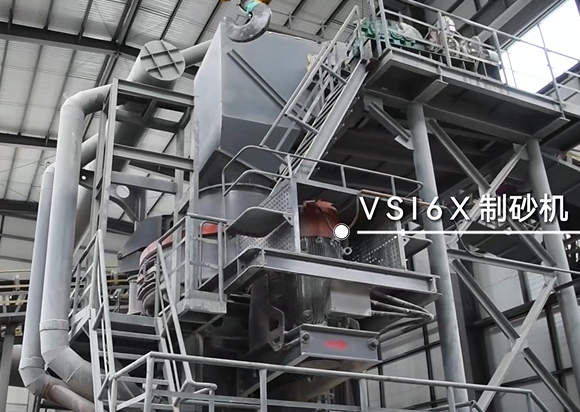
Traditionally, Malaysia relied heavily on river sand extraction, but over-mining has caused ecological damage, prompting government restrictions. As a result, the focus has shifted to machine-made sand produced from granite, limestone, or other hard rocks using crushing and screening equipment. M-sand provides consistent quality, better particle shape, and reduced environmental impact compared to natural sand.
Modern sand production involves several key machines:
1. Jaw Crushers – Primary crushing of large rocks into smaller fragments.
2. Cone Crushers / Impact Crushers – Secondary crushing to refine material size.
3. Vertical Shaft Impact (VSI) Crushers – Critical for shaping particles into high-quality M-sand with optimal gradation.
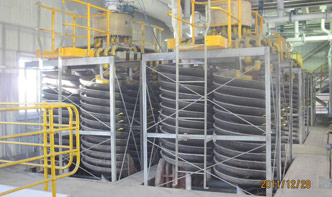
4. Sand Washing Machines – Remove impurities like clay and dust for cleaner final products.
These systems ensure efficient processing while meeting industry standards such as ASTM or BS EN requirements for construction materials.
1. What is M-sand?
Manufactured sand is produced mechanically from crushed rock aggregates, offering superior consistency compared to natural sand.
2. Why use crushing equipment instead of river sand?
Sustainable sourcing avoids environmental degradation while ensuring reliable supply chains amid regulatory constraints.
3. What factors affect M-sand pricing?
Costs depend on raw material availability (quarry proximity), energy consumption during crushing/washing stages,and transportation logistics across Malaysian states like Selangor,Johor,and Penang where demand remains high due to ongoing mega-projects such as highways or residential developments .
4 .How does manufactured compare strength-wise ? Studies show well-processed Msands can achieve comparable—if not better—compressive strength when used properly within mix designs .
A leading quarry operator in Perak transitioned from river-sand extraction toward an integrated crushing plant setup featuring jaw + cone + VSI crushers along with screening units.This shift increased output by ~30%,reduced dependence on dwindling natural resources,and secured long-term contracts supplying premixed concrete producers nationwide .
As Malaysia continues expanding its built environment,the role advanced stone-crushing technologies will only grow more critical balancing economic progress against ecological responsibility—a trend mirrored globally across emerging markets facing similar challenges around sustainable aggregate sourcing strategies .

