The Geology of Rocks and Stone Crushing Industry in India
Industry Background
India’s construction and infrastructure sectors are expanding rapidly, driving demand for high-quality aggregates and manufactured sand (M-Sand). The stone crushing industry plays a pivotal role in supplying raw materials for roads, buildings, and concrete production. With abundant geological resources, India hosts diverse rock formations—granite, basalt, limestone, and sandstone—making it a prime location for quarrying and crushing operations.
Core Crushing Equipment
Modern stone crushing plants rely on advanced machinery to optimize efficiency and output:
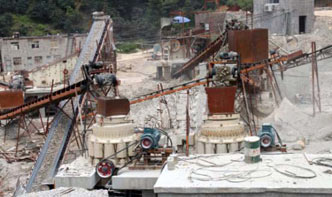
Key considerations include rock hardness (Mohs scale), abrasiveness, and moisture content, which influence equipment selection and wear-part longevity.
Common FAQs
1. What rocks are best for M-Sand?
Granite and basalt yield high-strength sand, while limestone is softer but easier to process.
2. How to reduce dust in crushing plants?
Use wet suppression systems or enclosed crushing chambers with dust collectors.
3. What’s the lifespan of crusher wear parts?
Depends on rock abrasiveness; manganese steel jaws last 6–12 months in granite crushing.
Engineering Case Study
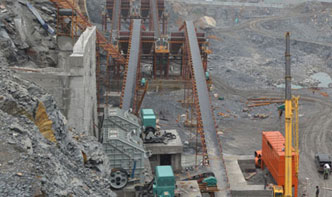
A Tamil Nadu-based quarry upgraded to a 200 TPH 3-stage crushing plant (jaw + cone + VSI) to produce 40mm aggregates and Zone-II M-Sand. The setup reduced reliance on river sand and improved concrete workability.
Conclusion
India’s stone crushing sector must balance geological diversity with sustainable practices, leveraging technology to meet infrastructure demands while minimizing environmental impact.

