Small Modular Gold Plants in Western Australia: Revolutionizing Mineral Processing
Western Australia (WA) is renowned for its rich mineral resources, particularly gold. With increasing demand for cost-effective and environmentally sustainable solutions, small modular gold plants (SMGPs) have emerged as a game-changer in the region’s mining sector. These compact, scalable systems are designed to process gold ore efficiently while minimizing footprint and capital expenditure.
WA’s goldfields often face challenges such as remote locations, high operational costs, and stringent environmental regulations. Traditional large-scale processing plants are capital-intensive and inflexible. SMGPs address these issues by offering:
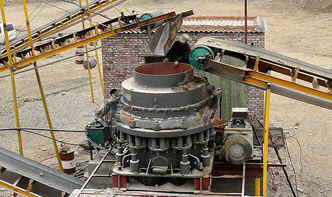
1. Crushing & Grinding: Compact jaw crushers, cone crushers, and high-pressure grinding rolls (HPGR) ensure optimal ore size reduction.
2. Gravity Separation: Centrifugal concentrators (e.g., Knelson, Falcon) recover coarse gold efficiently.
3. Leaching & Adsorption: Modular carbon-in-leach (CIL) or carbon-in-pulp (CIP) systems extract fine gold.
4. Tailings Management: Dry stacking and water recycling modules reduce environmental impact.
Q: What ore grades are suitable for SMGPs?
A: SMGPs are ideal for medium-to-high-grade deposits (1–10 g/t Au) but can be adapted for lower grades with pre-concentration.
Q: How long does commissioning take?
A: Typically 3–6 months due to pre-assembled modules, compared to 12+ months for conventional plants.
Q: Can SMGPs integrate renewable energy?
A: Yes—solar-hybrid power systems are increasingly used to cut diesel dependency in remote areas.
A WA-based miner deployed a 50-tpd SMGP featuring a jaw crusher, ball mill, and CIL circuit. Key outcomes:
SMGPs represent the future of agile and sustainable gold processing in WA, aligning with the industry’s shift toward modularization and decarbonization. Their adaptability makes them viable for both juniors and majors exploring smaller or satellite deposits.

