Limestone Screening in Illinois Quarries: A Comprehensive Guide
The aggregates industry plays a vital role in construction, with limestone screening being a key product for base preparation, drainage, and landscaping. Illinois quarries are renowned for high-quality limestone, processed into screenings—a fine, granular material ideal for compaction and stability.
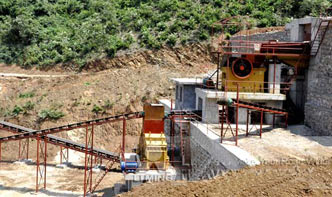
Limestone screenings are a byproduct of crushing larger limestone rocks. In Illinois, quarries utilize advanced crushing and screening equipment to produce consistent gradations. The demand stems from infrastructure projects, road bases, and agricultural applications due to limestone’s durability and cost-effectiveness.
1. Primary Crushers: Jaw or impact crushers break down raw limestone into manageable sizes.
2. Screening Systems: Vibrating screens separate finer particles (screenings) from coarser aggregates.
3. Washing & Sorting: Optional steps to remove clay or impurities for premium-grade products.
Modern quarries prioritize automation for efficiency, reducing waste and ensuring precise particle size distribution (typically 0-5mm for screenings).
A: Screenings are finer, acting as a compactable base, while crushed stone is larger for drainage or structural fills.
A: Regular sieve analysis ensures compliance with ASTM or local specifications.
A: Partially—screenings work well for sub-base layers but lack the uniformity of washed sand for concrete mixes.
1. Road Construction: Screenings provide a stable sub-base under asphalt pavements in projects like I-55 expansions.
2. Landscaping: Used for pathways or patio bases due to excellent compaction.
3. Agricultural Lime: Finely crushed screenings neutralize acidic soils in Midwest farmlands.
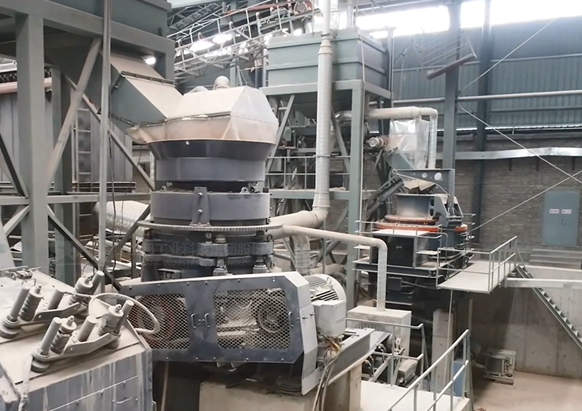
A central Illinois quarry upgraded to a multi-stage crushing plant, increasing screenings production by 30%. By integrating a high-frequency screen, they reduced oversize material waste and met rising demand for DOT-approved aggregates.
Limestone screenings from Illinois quarries offer versatility and reliability for diverse projects. Investing in optimized crushing technology ensures consistent quality, supporting sustainable infrastructure growth. For specifiers, understanding gradation and application fit is key to maximizing value.

