The Evolving Landscape of Aggregate Processing: Crushing, Screening, and Beyond
The global construction boom has fueled unprecedented demand for high-quality sand and gravel aggregates, driving innovation in crushing and screening equipment. As infrastructure projects expand, the industry faces dual challenges: maximizing production efficiency while meeting stringent environmental standards.
Core Technologies in Modern Aggregate Processing
1. Jaw Crushers: The workhorses of primary crushing, these machines excel in processing hard rock like granite and basalt. Modern designs incorporate hydraulic adjustment systems and wear-resistant manganese steel liners to extend service life.
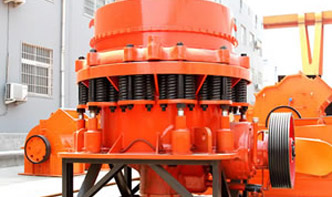
2. Cone Crushers: For secondary and tertiary crushing, cone crushers with hydraulic clearing and automated control systems deliver precise particle size distribution—critical for concrete and asphalt production.
3. Vertical Shaft Impactors (VSI): These shape-crushing units produce cubical aggregates ideal for high-strength concrete. Advanced rotor designs and rock-on-rock crushing minimize wear part replacement costs.
4. Mobile Screening Plants: Track-mounted units with multi-deck screens enable on-site material classification, reducing transportation costs for remote projects.
Key Industry Trends
FAQ Section
Q: How to choose between stationary and mobile crushing plants?
A: Mobile plants suit short-term projects (<3 years) with multiple sites, while stationary configurations offer higher throughput for large quarries.
Q: What’s the optimal reduction ratio for limestone processing?
A: A 3-stage system (jaw → cone → VSI) typically achieves 1:40 reduction with final product <30mm.
Project Spotlight: Coastal Highway Development (Vietnam)
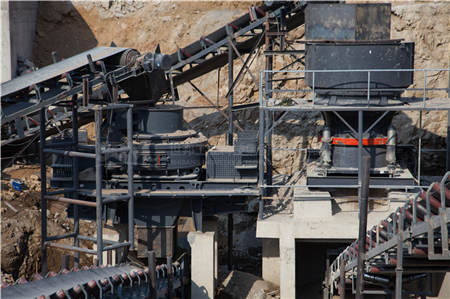
A turnkey solution combining:
The plant achieved 98% passing 5mm specification for concrete sand while reducing energy consumption by 22% through variable frequency drives.
As urbanization accelerates, the next frontier lies in hybrid power systems integrating solar energy and lithium-ion battery storage—potentially cutting carbon emissions by 35% in off-grid operations. The industry’s future hinges on balancing productivity gains with ecological responsibility through smarter technologies and process optimization.

