The Critical Role of Crushing and Sand-Making Equipment in the Aggregates Industry
The aggregates industry is the backbone of modern infrastructure, providing essential materials like sand, gravel, and crushed stone for construction, roads, and concrete production. With urbanization and infrastructure projects accelerating globally, the demand for high-quality aggregates has surged, driving innovations in crushing and sand-making equipment.
Aggregates are sourced from natural deposits or recycled materials, requiring efficient processing to meet stringent quality standards. Primary crushing, secondary/tertiary crushing, and sand-making are key stages in aggregate production. Equipment such as jaw crushers, cone crushers, impact crushers, and vertical shaft impactors (VSIs) are deployed to achieve optimal particle size distribution and shape.
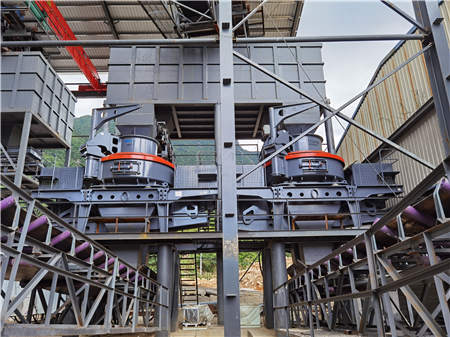
1. Jaw Crushers: Ideal for primary crushing, these machines handle large feed sizes and deliver high reduction ratios.
2. Cone Crushers: Used for secondary/tertiary crushing, offering precise control over final product gradation.
3. Impact Crushers: Suitable for softer materials, producing well-shaped aggregates with low fines content.
4. Sand-Making Machines (VSIs): Transform crushed stone into high-quality manufactured sand with excellent cubical shape, critical for concrete applications.
Advanced automation and wear-resistant materials enhance equipment longevity and efficiency, reducing downtime and operational costs.
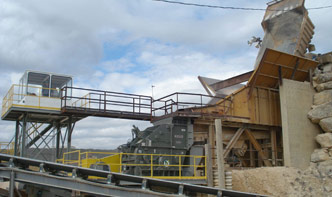
Manufactured sand is produced by crushing rocks, offering consistent quality, while natural sand varies in composition.
Use water sprays, dust suppression systems, and enclosed conveyors to control airborne particles.
Material hardness, feed size, required output size, and production capacity are key considerations.
A quarry in Texas upgraded to a VSI-based sand-making plant to replace dwindling natural sand sources. The new system achieved 30% higher production efficiency while meeting ASTM C33 standards for concrete sand, demonstrating the viability of manufactured sand in large-scale projects.
As sustainability gains prominence, the aggregates industry continues to adopt eco-friendly practices like recycling construction waste into high-grade aggregates—ensuring a balance between growth and environmental responsibility.

