Mercury-Free Placer Gold Wash Plants: Sustainable Solutions for Modern Mining
The placer gold mining industry has long relied on mercury amalgamation for gold recovery, but environmental and health concerns are driving demand for mercury-free alternatives. Modern wash plants now integrate advanced gravity separation technologies to achieve high recovery rates without toxic chemicals.
Placer gold deposits, often found in riverbeds or alluvial plains, require efficient washing and concentration processes. Traditional methods using mercury pose severe risks to ecosystems and miners. Regulatory pressures and corporate sustainability goals are accelerating the adoption of cleaner technologies.
1. Trommel Screens & Scrubbers – Remove clay and oversized material while classifying feed for optimal processing.
2. Sluice Boxes & Gold Traps – Utilize riffles and matting to capture fine gold via gravity separation.
3. Centrifugal Concentrators (e.g., Knelson, Falcon) – Enhance recovery of micron-sized gold through high-G forces.
4. Shaking Tables & Jigs – Refine concentrates for higher purity without chemicals.
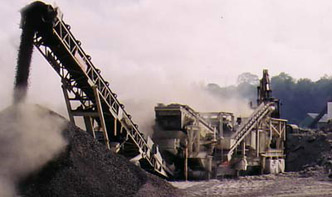
Q: Can mercury-free plants match traditional recovery rates?
A: Yes—modern gravity systems achieve 90%+ recovery for particles >50 microns, with some losses in ultra-fines (<20 microns).
Q: What’s the typical setup for a small-scale operation?
A: A compact plant may include a trommel, sluice, and concentrator, powered by diesel or electric motors (5–20 TPH capacity).
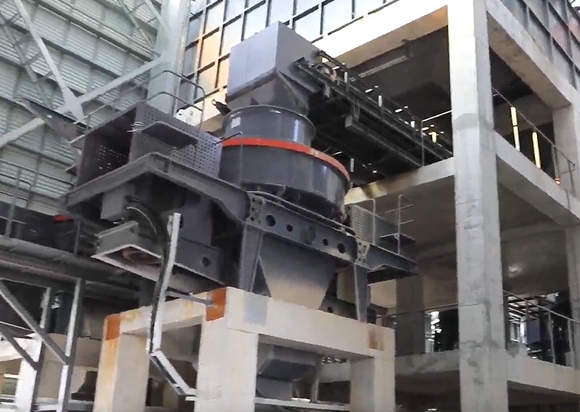
A Canadian operator replaced mercury amalgamation with a Knelson concentrator + shaking table circuit, boosting recovery from 65% to 88% while eliminating chemical use. Payback was achieved in <12 months via reduced regulatory costs and higher gold purity premiums.
Mercury-free wash plants are no longer niche—they’re a viable, scalable solution aligning with global ESG standards. As technology advances, even finer gold recovery will become achievable without compromising sustainability.

