Optimizing Iron Ore Fines Handling: The Critical Role of Wet Chute Angle in Material Flow
The mining and aggregates industry relies heavily on efficient material handling systems, particularly when processing abrasive materials like iron ore fines. One critical yet often overlooked component is the design of wet chute angles, which significantly impacts flow efficiency, wear resistance, and operational downtime.
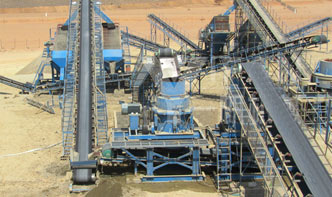
Iron ore fines, a byproduct of crushing and screening operations, are notoriously challenging to handle due to their high moisture content, abrasiveness, and tendency to adhere to surfaces. In wet processing plants, traditional chutes often face issues like clogging, accelerated wear, and uneven material distribution. Optimizing the chute angle is essential to mitigate these problems while maintaining throughput.
1. Angle Selection: For wet iron ore fines, a steeper chute angle (typically 55°–65°) is recommended to prevent material buildup. However, excessive steepness can increase impact wear on downstream equipment.
2. Liner Materials: High-density polyethylene (HDPE) or ceramic-lined chutes reduce adhesion and extend service life.
3. Flow Aids: Water spray systems or vibratory feeders can be integrated to enhance flow in sticky conditions.
A Brazilian iron ore plant reduced downtime by 30% after redesigning transfer chutes from 45° to 60° with UHMWPE liners. The modification minimized blockages and reduced maintenance intervals from weekly to monthly.
Q: How does moisture affect chute angle design?
A: Higher moisture increases cohesion, necessitating steeper angles or flow aids like air cannons.
Q: Can existing chutes be retrofitted?
A: Yes, liners and angle adjustments can be implemented without full replacement.
Precise wet chute angle design is a cost-effective solution for improving iron ore fines handling. Collaboration between engineers and operators ensures tailored designs that balance flow efficiency with equipment longevity.

