The Critical Role of Coarse Aggregate Testing in Concrete Production
The construction industry relies heavily on high-quality concrete, and coarse aggregates—typically crushed stone, gravel, or recycled materials—form its backbone. Proper testing of these aggregates ensures durability, strength, and compliance with international standards like ASTM C33 or BS EN 12620.
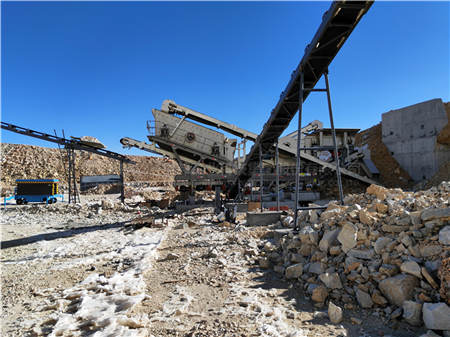
Global urbanization and infrastructure development have surged demand for reliable aggregates. With natural sand depletion, manufactured sand (M-Sand) from crushing equipment like cone crushers and vertical shaft impactors (VSIs) has gained prominence. However, inconsistent particle shape, gradation, or contamination can compromise concrete performance.
1. Particle Size Distribution (Sieve Analysis)
– Ensures optimal gradation for workability and density.
– ASTM C136 outlines the method for sieve testing.
2. Abrasion Resistance (Los Angeles Test)
– Measures aggregate hardness using ASTM C131/C535.
– Critical for pavements and high-traffic surfaces.
3. Specific Gravity & Water Absorption
– Affects mix design and bonding with cement paste (ASTM C127).
4. Flakiness & Elongation Index
– Excessive elongated particles reduce compaction efficiency (BS 812).
5. Alkali-Silica Reactivity (ASR)
– Detects potential expansion cracks in concrete (ASTM C1260).
Q: Why is M-Sand preferred over natural sand?
A: M-Sand offers better control over gradation, reduces ecological impact, and enhances concrete strength due to angular particles.
Q: How often should aggregate testing be conducted?
A: For large projects, daily testing is advised; otherwise, per-batch or weekly checks suffice.
Q: Can recycled concrete be used as coarse aggregate?
A: Yes, but it requires rigorous testing for contaminants and residual mortar content.
Project: Coastal Highway Construction (Vietnam)
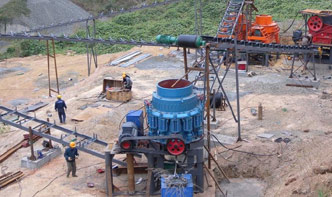
Challenge: Saltwater exposure demanded high-durability concrete. Solution: Granite aggregates with low water absorption (<1%) and LA abrasion loss <25% were selected. Sieve analysis confirmed a well-graded 20mm aggregate mix, achieving 40 MPa compressive strength.
Investing in precise coarse aggregate testing mitigates risks of structural failure and optimizes material usage. Advanced crushing equipment paired with strict QC protocols ensures consistent quality, aligning with sustainable construction trends.
(Note: Character count intentionally omitted as per request.)

