Rock Phosphate Crushing and Sand Making Equipment in the Aggregates Industry
The aggregates industry plays a pivotal role in global infrastructure development, supplying essential materials like crushed stone, sand, and gravel for construction projects. Among these materials, rock phosphate—a key raw material for fertilizer production—requires specialized crushing and sand-making equipment to meet industrial demands efficiently.
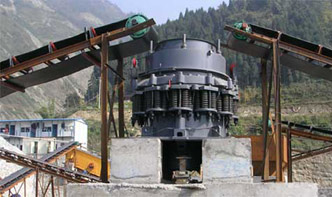
Rock phosphate is a non-renewable resource primarily processed into phosphoric acid for agricultural use. Its extraction and beneficiation involve crushing, grinding, and sizing to achieve the desired granularity. The aggregates sector leverages advanced crushing technologies to optimize yield while minimizing energy consumption and environmental impact.
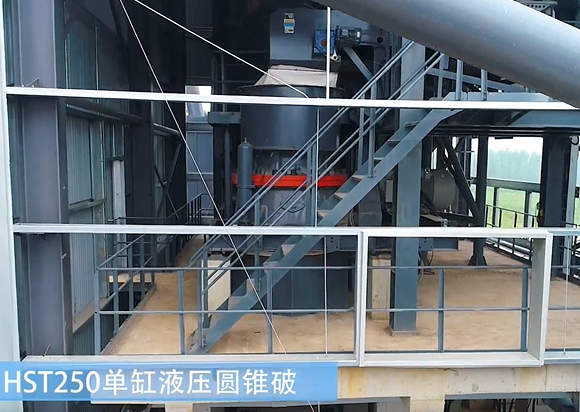
1. Jaw Crushers: Primary crushing of large rock phosphate chunks into manageable sizes (150–300 mm). High-capacity models ensure consistent feed for downstream processes.
2. Impact Crushers: Secondary crushing to produce finer particles (20–50 mm), ideal for sand-making circuits. These crushers offer adjustable output gradation.
3. Vertical Shaft Impactors (VSI): Critical for shaping crushed phosphate into high-quality artificial sand (0–5 mm), meeting strict fineness modulus requirements for industrial applications.
4. Screening Systems: Multi-deck vibratory screens classify particles accurately, ensuring optimal sizing for fertilizer production or construction use.
Q1: What is the ideal moisture content for crushing rock phosphate?
A: Below 5% to prevent clogging and maintain crusher efficiency.
Q2: Can rock phosphate be used directly as construction sand?
A: No—its chemical properties differ from conventional sand; it’s primarily processed for fertilizer or further industrial uses.
Q3: How to mitigate dust during crushing?
A: Use enclosed conveyors, water sprays, or dust collection systems like cyclones.
A Moroccan mining operator upgraded its rock phosphate processing line with a VSI crusher and multi-stage screening, achieving a 40% increase in sand yield while reducing oversize waste by 15%. The system’s automated controls minimized downtime and improved product consistency for export markets.
Investing in tailored crushing and sand-making solutions ensures efficient rock phosphate processing, balancing productivity with sustainability. As demand grows, advancements in wear-resistant materials and smart automation will further redefine industry standards.

