Polysius Coal Grinding Plant and Its Relevance to the Aggregate Industry
The mining and aggregate industry relies heavily on efficient grinding and crushing technologies to process raw materials like coal, limestone, and granite into usable products. While the Polysius coal grinding plant is primarily designed for pulverizing coal in cement and power plants, its underlying principles share similarities with equipment used in sand and aggregate production.
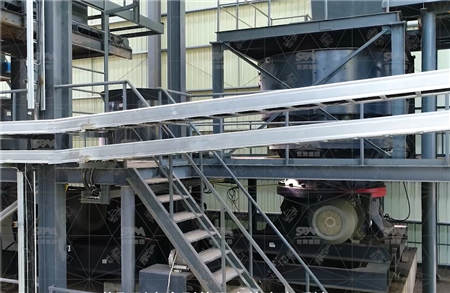
The demand for high-quality sand, gravel, and crushed stone continues to grow due to urbanization and infrastructure development. Crushers, mills, and classifiers—similar to those in coal grinding—are adapted for producing aggregates with precise particle sizes. Polysius (now part of ThyssenKrupp Industrial Solutions) specializes in robust grinding systems that ensure energy efficiency and low maintenance, traits equally valuable in aggregate processing.
1. Vertical Roller Mills (VRM) – Used in Polysius coal grinding plants, VRMs optimize particle size distribution with minimal energy consumption. In aggregates, VRMs can crush hard rocks into fine sand or filler material.
2. Ball Mills & Classifiers – These ensure uniform grading, critical for concrete sand or asphalt mixtures.
3. Wear-Resistant Materials – Polysius mills incorporate durable linings suitable for abrasive materials like granite or basalt.
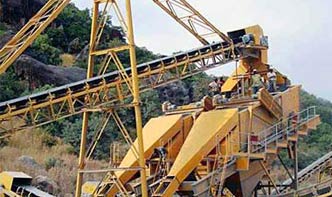
Yes—with modifications like adjusting roller pressure and classifier settings to handle harder minerals.
Wear parts (rollers, liners) require periodic replacement; automated monitoring systems help reduce downtime.
VRMs consume 30-50% less energy than traditional ball mills when processing aggregates.
A limestone quarry replaced its conventional jaw crusher-ball mill circuit with a Polysius-style vertical roller mill, achieving:
While originally designed for coal, Polysius grinding innovations offer cross-industry benefits—proving that advanced comminution technologies can elevate efficiency in sand and aggregate production as well.