The Gravel Washing Equipment Cost and Its Role in the Aggregates Industry
The aggregates industry plays a critical role in global infrastructure development, supplying essential materials like sand, gravel, and crushed stone for construction projects. With increasing demand for high-quality aggregates, efficient gravel washing equipment has become indispensable for ensuring product purity and compliance with industry standards.
Aggregates are fundamental to concrete, asphalt, and road base construction. However, raw materials often contain impurities such as clay, silt, or organic matter, which can compromise structural integrity. Gravel washing equipment removes these contaminants through scrubbing, screening, and hydrocyclone separation, producing clean, market-ready aggregates.
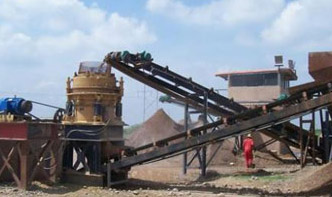
Gravel washing systems vary in complexity and capacity. Key components include:
Cost depends on several factors:
1. Capacity: Small-scale units may cost $20,000–$50,000; large industrial systems can exceed $500,000.
2. Automation Level: Advanced controls increase efficiency but raise initial investment costs.
3. Material Type: Harder or more contaminated feedstocks require more robust (and expensive) solutions.
Q: How does gravel washing improve aggregate quality?
A: It removes impurities that weaken concrete or asphalt mixes while ensuring consistent gradation.
Q: What maintenance is required?
A: Regular inspection of wear parts (screens, paddles) and water recycling systems minimizes downtime.
Q: Can recycled aggregates be processed?
A: Yes—modern washers handle crushed concrete or reclaimed asphalt pavement (RAP).
A Texas-based quarry upgraded to a modular washing plant to process limestone with high clay content. The new system increased production by 30% while reducing water usage through closed-loop recycling—payback was achieved in under 18 months due to higher product value and reduced waste disposal costs.
Investing in gravel washing equipment is crucial for producers aiming to meet stringent quality demands sustainably. While costs vary widely based on application needs, the long-term benefits—enhanced product value and operational efficiency—make it a strategic choice for competitive aggregates businesses worldwide.

