Portable Crushers Revolutionizing India’s Aggregate Industry
India’s construction and infrastructure sectors are booming, driving massive demand for high-quality aggregates. With urbanization, road projects, and smart city initiatives accelerating, portable crushers have emerged as a game-changer for contractors seeking mobility, efficiency, and cost-effectiveness in aggregate production.
The Indian stone crushing and sand-making market is projected to grow at a CAGR of ~6% (2023–2030), fueled by government initiatives like “Make in India” and investments in highways (~40,000 km planned under Bharatmala). Traditional stationary plants face logistical challenges, especially in remote sites. Portable crushers address this by enabling on-site crushing, reducing transportation costs, and minimizing environmental impact.
1. Mobility & Flexibility: Mounted on wheels or tracks, these units can be relocated easily between job sites—ideal for short-term projects like road construction or mining leases.
2. Fuel Efficiency: Modern models integrate hybrid power options (diesel-electric) to cut operational costs in fuel-sensitive regions.
3. Compact Design: Smaller footprints suit space-constrained urban sites while maintaining outputs of 50–300 TPH (varies by model).
4. Multi-Stage Crushing: Jaw-cone-impact combinations allow producing precisely graded aggregates (e.g., 20mm/10mm for concrete or GSB layers).
Q1: What’s the average cost of a portable crusher in India?
A: Prices range from ₹25 lakhs (~$30,000) for basic jaw crushers to ₹2 crore+ (~$240,000) for advanced tracked plants. Leasing options are gaining traction.
Q2: How to maintain portable crushers in dusty conditions?
A: Regular filter cleaning, conveyor belt inspections, and using dust suppression kits (water spray systems) are critical—especially in Rajasthan’s arid zones.
Q3: Can portable units process recycled concrete?
A: Yes! Many models accept demolition waste (with pre-screening), aligning with India’s C&D waste management rules (2016).
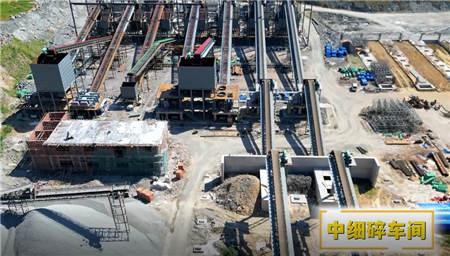
A contractor deployed a 200 TPH track-mounted cone crusher to produce ballast for a 60km highway stretch. By crushing basalt on-site, they saved 15% on logistics vs. transported aggregates and completed the project 3 weeks ahead of schedule.
Portable crushers aren’t just equipment—they’re strategic tools reshaping India’s aggregate supply chain sustainably and profitably!

