Preventing Cone Crusher Bounce: A Guide for Aggregate Producers
The aggregate and sand production industry relies heavily on cone crushers for efficient secondary and tertiary crushing. However, operational challenges like “crusher bounce” can significantly impact productivity and equipment longevity. Understanding its causes and mitigation strategies is critical for optimal performance.
Cone crushers are essential in producing high-quality aggregates for construction, road building, and concrete production. Their ability to crush hard and abrasive materials makes them indispensable. Yet, improper operation or maintenance can lead to bounce—a phenomenon where the crusher’s mantle loses contact with the concave, causing vibration and reduced efficiency.
1. Incorrect Feed Material Size – Oversized or unevenly distributed feed can overload the crushing chamber, leading to instability.
2. Worn Liners – Excessive wear on mantles or concaves disrupts the crushing geometry, increasing bounce risk.
3. Improper CSS (Closed Side Setting) – A setting too tight restricts material flow, while too wide reduces compression efficiency.
4. Hydraulic System Issues – Low hydraulic pressure or faulty accumulators fail to maintain consistent crushing force.
Q: Can tramp metal cause cone crusher bounce?
A: Yes—metal contaminants disrupt crushing forces; install metal detectors or magnets in feed systems.
Q: How does moisture affect bounce?
A: Wet or sticky materials may cling to liners, reducing throughput; consider drying or pre-processing solutions.
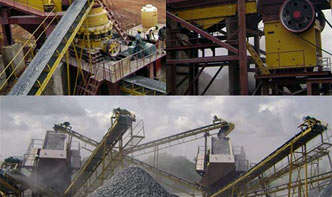
A quarry in Texas experienced frequent cone crusher bounce due to inconsistent feed sizes from upstream processing. By installing a vibrating feeder with size control gates and scheduling bi-weekly liner checks, downtime decreased by 30%, and production efficiency improved by 15%.
Preventing cone crusher bounce requires a holistic approach—balancing feed management, maintenance protocols, and operational adjustments. Proactive measures not only enhance output but also extend equipment lifespan in demanding aggregate applications.

