Types of Motors Used in Crushers for Aggregate and Sand Production
The aggregate and sand production industry relies heavily on crushers to break down large rocks into smaller, usable materials. The efficiency and durability of these machines depend significantly on the motors powering them. Below, we explore the common types of motors used in crushers, their applications, and key considerations for selection.
Crushing equipment is essential in mining, construction, and infrastructure projects. Jaw crushers, cone crushers, impact crushers, and vertical shaft impactors (VSIs) are widely used to produce aggregates for concrete, asphalt, and road base materials. The motor selection directly impacts performance, energy consumption, and operational costs.
1. Induction Motors (Asynchronous Motors)
– Features: Robust, cost-effective, and low maintenance.
– Applications: Ideal for jaw crushers and gyratory crushers where constant speed is sufficient.
– Advantages: High torque at startup; suitable for heavy-duty crushing operations.
2. Synchronous Motors
– Features: Operate at a fixed speed synchronized with the power supply frequency.
– Applications: Used in large cone crushers requiring precise speed control.
– Advantages: Higher efficiency than induction motors; better power factor correction.
3. Variable Frequency Drive (VFD) Motors
– Features: Allow adjustable speed control via electronic drives.
– Applications: Common in modern impact crushers and VSIs for optimizing particle shape and throughput.
– Advantages: Energy savings; reduced mechanical stress during startup.
4. Hydraulic Motors
– Features: Powered by hydraulic systems rather than electricity.
– Applications: Mobile crushers where diesel-hydraulic systems are preferred for remote operations.
– Advantages: High power-to-weight ratio; flexibility in mobile crushing plants.
Q1: Why are VFD motors gaining popularity in crushing plants?
A1: They improve energy efficiency by adjusting motor speed based on feed material hardness and demand fluctuations.
Q2: Can induction motors handle frequent starts/stops?
A2: Yes, but excessive cycling may shorten lifespan—soft starters or VFDs help mitigate wear.
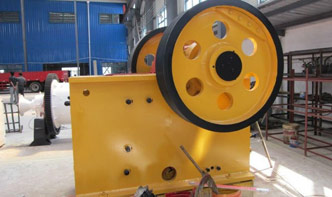
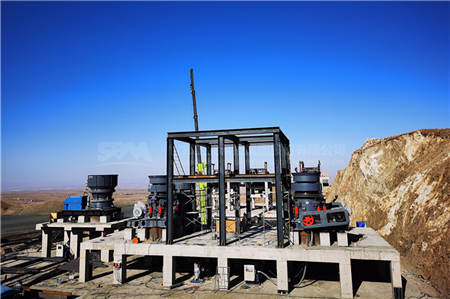
A quarry upgraded its jaw crusher with a high-efficiency synchronous motor paired with an automated lubrication system—resulting in a 15% reduction in energy costs and extended component life by 20%.
Selecting the right motor ensures optimal crusher performance while minimizing operational expenses—balancing power needs with long-term reliability remains critical for aggregate producers worldwide.

