Design Considerations of Crushing Machines in the Aggregate Industry
The aggregate industry plays a critical role in construction, providing essential materials like sand, gravel, and crushed stone for infrastructure projects. Crushing machines are at the heart of this process, transforming raw rock into usable aggregates. Designing an efficient crushing system requires careful consideration of multiple factors to ensure productivity, durability, and cost-effectiveness.
1. Material Characteristics
The hardness, abrasiveness, moisture content, and size of the feed material dictate the choice of crusher type. For example:
– Jaw crushers excel in primary crushing for hard rocks.
– Cone crushers are ideal for secondary/tertiary crushing due to their precision in producing finer aggregates.
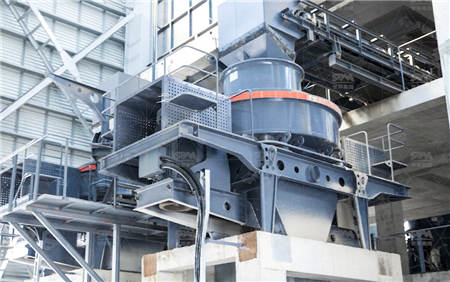
– Impact crushers (e.g., VSI) are preferred for softer materials or shaping applications.
2. Capacity Requirements
Matching production demands with machine throughput prevents bottlenecks or underutilization. Factors include feed size distribution and desired output gradation (e.g., 0–5mm sand vs. 20–40mm coarse aggregate).
3. Energy Efficiency & Wear Resistance
High-wear components (liners, blow bars) should use hardened alloys or composite materials to extend service life. Hydraulic adjustment systems optimize performance while reducing downtime for maintenance.
4. Automation & Control Systems
Modern crushers integrate sensors and IoT-enabled controls to monitor parameters like power draw and cavity levels, enabling real-time adjustments for optimal efficiency.
5. Environmental Compliance
Dust suppression systems (water sprays or enclosed chambers) and noise reduction measures are essential to meet regulatory standards in urban or sensitive areas.
A: Mobile plants offer flexibility for short-term projects or multiple sites, while stationary setups suit high-volume, long-term operations with consistent feed sources.
A: Regular lubrication, wear-part inspections, and avoiding overloading prevent premature failures. Automated monitoring tools help schedule maintenance proactively.
A quarry in Texas upgraded its aging jaw crusher to a hybrid electric-diesel mobile unit, reducing fuel consumption by 30% while maintaining 400 tph output—showcasing how modern designs balance sustainability and productivity.
By addressing these factors holistically, engineers can design crushing systems that maximize ROI while meeting evolving industry demands for efficiency and sustainability.”

