Iron Ore Beneficiation Thickener Process in the Mining Industry
The mining and aggregates industry relies heavily on efficient mineral processing to extract valuable materials like iron ore. One critical stage in this process is the beneficiation thickener, which plays a vital role in dewatering slurry to recover water and concentrate ore.
Iron ore beneficiation involves removing impurities (e.g., silica, alumina) to improve ore grade for steel production. After crushing and grinding, the ore is mixed with water to form a slurry. The thickener separates solids from liquids, ensuring maximum water reuse and minimizing waste.
A thickener is a large sedimentation tank where:
1. Flocculation: Chemicals are added to bind fine particles, speeding up settling.
2. Gravity Separation: Solids settle at the bottom, while clarified water overflows.
3. Underflow Extraction: A rake mechanism collects concentrated slurry for further processing (e.g., filtration or tailings disposal).
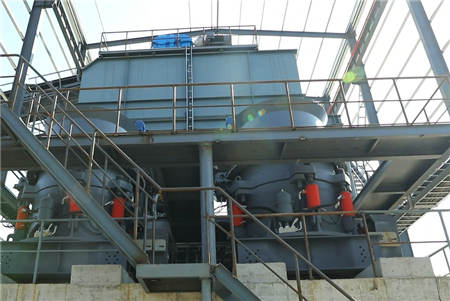
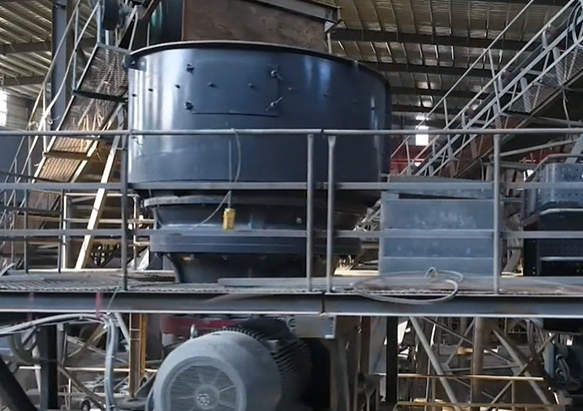
Key equipment includes:
Q: Why is thickening necessary in iron ore processing?
A: It reduces water usage, cuts disposal costs, and improves tailings management.
Q: What challenges affect thickener performance?
A: Variable feed density, improper flocculant dosing, or raking issues can disrupt efficiency.
A Brazilian iron ore plant upgraded to high-rate thickeners, achieving:
Thickeners are indispensable in iron ore beneficiation, balancing operational efficiency and environmental compliance. Advances in design continue to optimize mineral recovery while supporting sustainable mining practices.

