Optimizing Iron Ore Processing: The Role of Flocculation in Mineral Beneficiation
The iron ore industry relies heavily on efficient mineral processing to meet global demand for steel production. A critical step in this process is flocculation, which enhances solid-liquid separation during tailings management and water recycling.
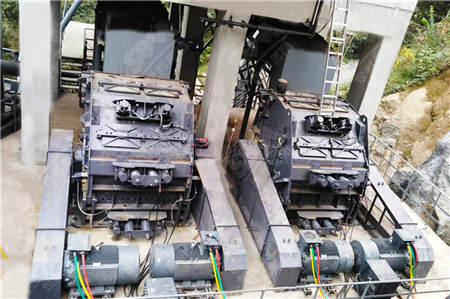
Iron ore extraction generates fine particles and slimes that complicate dewatering. Traditional sedimentation struggles with these ultrafines, leading to water loss and environmental concerns. Flocculation addresses this by aggregating fine particles into larger clusters (flocs), accelerating settling rates in thickeners or filters.
1. Flocculant Selection:
– Anionic polyacrylamides are common for iron ore due to their affinity for negatively charged hematite/silica surfaces.
– Dosage optimization is key—excess flocculant can destabilize slurries.
2. Mixing & Conditioning:
– High-shear mixers ensure even polymer dispersion without breaking flocs.
– pH adjustment (e.g., lime) often enhances performance.
3. Equipment Integration:
– Thickeners (e.g., high-rate or deep-cone designs) paired with automated dosing systems maximize efficiency.
– Filter presses may use flocculants to reduce cake moisture further.
Q: How does flocculation impact water recovery?
A: It reduces turbidity, enabling >90% water reuse in closed-loop systems.
Q: Can flocculants handle high-clay ores?
A: Yes, but may require pre-treatment (e.g., coagulants) to neutralize clay charges.
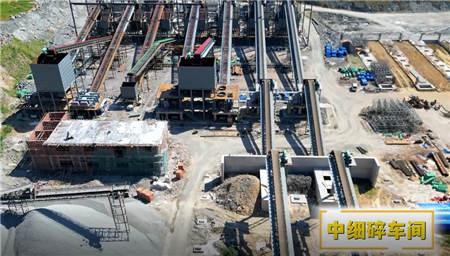
A Western Australian mine faced slow tailings settling, risking dam overflow. By switching to a tailored anionic flocculant and upgrading feedwell design, they achieved:
Flocculation is indispensable for sustainable iron ore processing, balancing operational efficiency with environmental compliance. Advances in polymer chemistry and process control continue to refine its application across mineral beneficiation circuits worldwide.

