The Role of Small Aggregate Feeding Conveyors in Sand and Gravel Production
The sand and gravel industry is a cornerstone of construction, providing essential materials for infrastructure, concrete, and road building. Efficient material handling is critical to maintaining productivity, and small aggregate feeding conveyors play a pivotal role in streamlining operations.
Global demand for high-quality aggregates continues to rise, driven by urbanization and infrastructure development. Processing plants must balance output with precision, ensuring consistent particle size distribution while minimizing downtime. Small aggregate feeding conveyors are designed to transport crushed stone, sand, or recycled materials between stages—such as from crushers to screens or storage bins—optimizing workflow.
1. Compact Design: Ideal for limited spaces, these conveyors offer flexibility in plant layout without compromising capacity.
2. Durability: Constructed with abrasion-resistant belts or steel pans to withstand harsh materials like granite or basalt.
3. Adjustable Speed: Variable frequency drives (VFDs) allow operators to control feed rates precisely, matching downstream equipment requirements.
4. Low Maintenance: Sealed bearings and easy-access components reduce servicing intervals.
A: They are suitable for dry or slightly moist aggregates up to 50mm in size, including sand, crushed stone, and recycled concrete.
A: Ensure proper belt tension and install side skirts or sealing systems tailored to the material’s flow characteristics.
A: Yes, many models support sensors and PLC controls for seamless coordination with crushers or screening units.
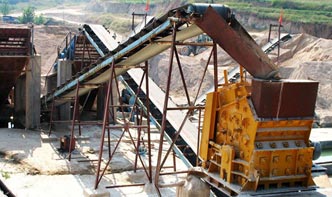
A quarry in Texas upgraded its aging feed system with a small inclined conveyor featuring a cleated belt design. This solution eliminated bottlenecks between the primary crusher and secondary screening stage, boosting throughput by 20% while reducing dust emissions through an enclosed structure.
Small aggregate feeding conveyors may seem minor compared to primary crushers or screens, but their efficiency directly impacts overall plant performance. Investing in the right conveyor system ensures reliable material transfer—key to meeting the growing demands of the aggregates industry.

