Limestone Mining in Rajasthan and Its Role in the Aggregate Industry
Rajasthan, India, is renowned for its abundant limestone reserves, making it a key hub for mining and aggregate production. Limestone is a critical raw material for cement manufacturing, construction aggregates, and industrial applications. The state’s rich geological deposits support a thriving crushing and sand-making equipment industry, catering to the growing demand for high-quality砂石骨料 (aggregates).
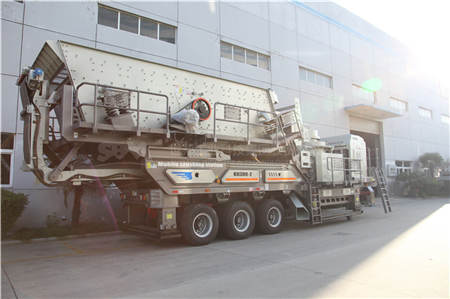
The construction boom in India has escalated the need for processed limestone aggregates. Crushing and sand-making machinery plays a pivotal role in transforming raw limestone into usable materials like coarse aggregates, fine sand, and powder for concrete production. Key equipment includes:
Modern limestone processing emphasizes efficiency, sustainability, and automation. Advanced crushers reduce energy consumption while maximizing output (e.g., 200–500 TPH plants). Features like hydraulic adjustment and intelligent control systems minimize downtime.
1. What size of limestone aggregate is ideal for concrete?
Typically 20mm or smaller, depending on mix design.
2. How to mitigate dust in limestone crushing?
Use wet suppression systems or enclosed crushing units.
3. Can limestone waste be recycled?
Yes, crushed fines are reused in road bases or cement raw material.
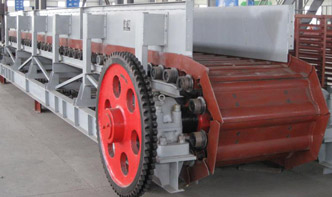
A Rajasthan-based project deployed a 300 TPH VSI crusher plant to produce M-Sand from limestone waste, reducing reliance on river sand and meeting IS:383 standards. The setup included multi-stage screening for precise grading.
Rajasthan’s limestone mines drive innovation in aggregate processing technology. Investing in tailored crushing solutions ensures cost-effective, eco-friendly production aligned with global construction standards.

