The Cedar Rapids 1036 Jaw Crusher: A Robust Solution for Aggregate Processing
The aggregate and sand production industry relies heavily on durable and efficient crushing equipment to meet the growing demand for high-quality construction materials. Among the key players in this sector, the Cedar Rapids 1036 jaw crusher stands out as a proven workhorse for primary crushing applications.
Industry Background
Global infrastructure development continues to drive the need for reliable crushing solutions. Jaw crushers, particularly those with robust designs like the Cedar Rapids 1036, are essential for processing hard rock, recycled concrete, and other abrasive materials. Their ability to reduce large feed sizes into manageable aggregates makes them indispensable in quarries, mining operations, and recycling plants.
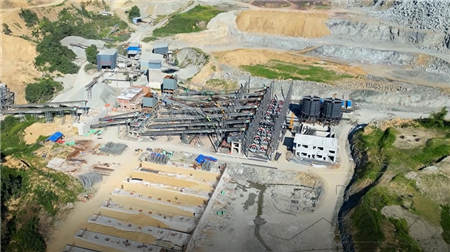
Core Features of the Cedar Rapids 1036
Common FAQs
1. What is the throughput capacity of the Cedar Rapids 1036?
Depending on material hardness and feed size, it typically processes 50–100 tons per hour.
2. Can it handle recycled concrete?
Yes, but using hardened jaw dies is recommended to extend service life.
3. Are schematics readily available?
Original equipment manuals and schematics can often be sourced from authorized dealers or industrial archives.
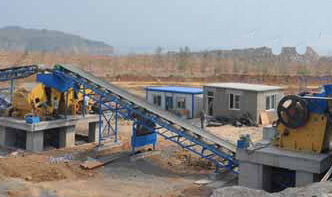
Engineering Case Study
A Midwest quarry upgraded to a Cedar Rapids 1036 crusher to replace an aging unit. By optimizing the jaw profile and toggle settings, they achieved a 15% increase in production while reducing energy consumption by leveraging its efficient power transmission system.
For operations prioritizing reliability and simplicity, the Cedar Rapids 1036 remains a competitive choice in today’s dynamic aggregate market. Proper maintenance and correct operational practices ensure long-term performance, making it a cornerstone of many material processing circuits worldwide.

