The Role of Hammer Crushers in Aggregate Production
The aggregate and sand-making industry is a cornerstone of modern construction, providing essential materials for infrastructure, buildings, and roads. Among the key equipment in this sector, hammer crushers stand out for their efficiency in reducing large rocks into smaller, uniform particles. Their robust design and versatility make them indispensable in quarries, mining operations, and recycling plants.
Global demand for high-quality aggregates continues to rise, driven by urbanization and infrastructure development. Hammer crushers play a critical role by processing raw materials like limestone, granite, and recycled concrete into usable sizes. Unlike jaw or cone crushers, hammer crushers utilize high-speed rotating hammers to shatter material upon impact, making them ideal for medium-hard to soft materials.
1. High Reduction Ratio: Capable of achieving 20:1 or higher, minimizing secondary crushing needs.
2. Versatility: Handles wet or sticky materials better than other crushers due to grate-free designs in some models.
3. Low Maintenance: Simple structure with fewer wear parts compared to cone crushers reduces downtime.
4. Cost-Effectiveness: Lower initial investment and operational costs suit small-to-medium-scale operations.
A: Modern designs incorporate adjustable grates or impact plates to control output size while rejecting uncrushable objects via hydraulic opening mechanisms.
A: Regular rotor inspections, timely hammer rotation/replacement (based on wear patterns), and monitoring bearing temperatures are critical.
A: While possible, highly abrasive rocks (e.g., quartzite) accelerate wear; alloy hammers or hybrid crusher solutions may be preferable.
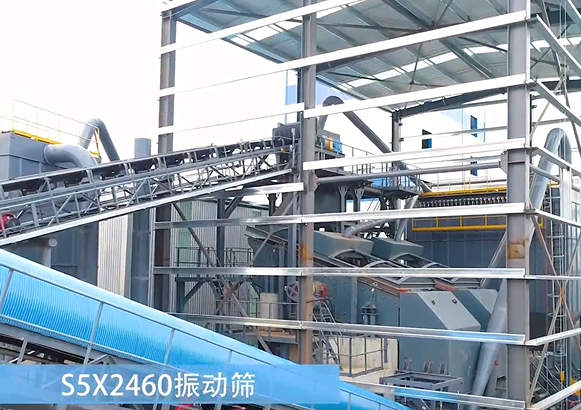
A quarry in Texas upgraded to a heavy-duty hammer crusher for limestone processing, achieving a 30% increase in throughput while reducing energy consumption by 15%. Key modifications included a dual-motor rotor for balanced force distribution and replaceable wear liners tailored for abrasive conditions. The project highlighted how proper model selection and customization optimize productivity in harsh environments.
Hammer crushers remain vital in aggregate production due to their adaptability and efficiency advancements—such as smart automation integration—continue enhancing their competitiveness against alternative crushing technologies ensuring sustainable growth within the industry without compromising performance standards required by global markets today.”

