Hammer Mills for Sale in the Philippines: A Key Player in Aggregate Production
The Philippines’ construction and mining industries are experiencing rapid growth, driving demand for efficient crushing and grinding equipment. Hammer mills, versatile machines designed for size reduction, play a critical role in processing raw materials like limestone, basalt, and recycled concrete into usable aggregates for infrastructure projects.
With urbanization and government-led infrastructure programs (e.g., “Build Better More”), the need for high-quality sand and gravel has surged. Traditional jaw crushers and cone crushers dominate primary crushing, but hammer mills excel in secondary/tertiary stages, offering finer output ideal for cement production or road base materials. Their adaptability to varied feed sizes and low operational costs make them popular among small-to-medium quarries.
1. Robust Design: Heavy-duty rotors with replaceable hammers withstand abrasive materials.
2. Adjustable Output: Screen customization controls particle size (0–25mm common for construction sand).
3. Energy Efficiency: Direct impact crushing reduces power consumption vs. roller mills.
4. Compact Footprint: Suitable for space-constrained Philippine mining sites.
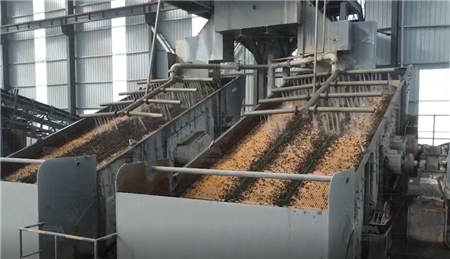
A: Ideal for medium-hardness rocks (e.g., river pebbles, volcanic tuff) but less effective for high-silica or overly wet feeds without modifications.
A: Regularly inspect hammers/screens; lubricate bearings; avoid metal contaminants to prolong lifespan.
A: Local dealers offer faster spare parts support, while imported units (e.g., from China) may provide cost advantages.
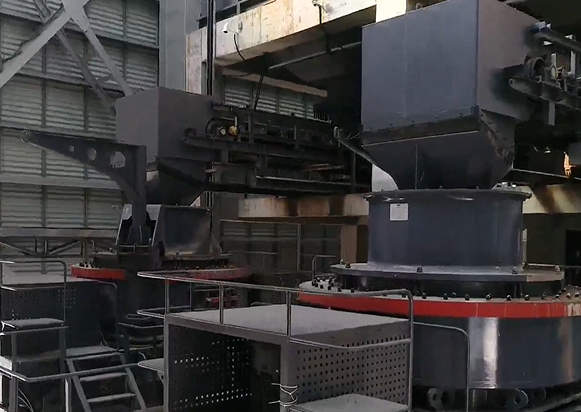
A quarry in Luzon replaced its outdated roller crusher with a 75kW hammer mill, increasing production by 30% while reducing fines waste. The mill processed 20TPH of basalt into 5–10mm aggregates for nearby road construction, demonstrating ROI within 8 months despite typhoon-related downtime challenges.
For Philippine operators balancing budget constraints and productivity demands, hammer mills present a pragmatic solution—especially when paired with proper maintenance plans and localized technical support. As aggregate quality standards tighten, investing in adaptable crushing technology will remain pivotal to sustaining growth in the region’s construction sector.

