The Growing Importance of Crushing and Sand-Making Equipment in the Aggregate Industry
The global construction boom has driven unprecedented demand for high-quality sand and aggregates. As natural sand reserves deplete, manufactured sand (M-Sand) produced by crushing and sand-making equipment has become a sustainable alternative. This shift underscores the critical role of advanced crushing plants in meeting infrastructure needs while adhering to environmental regulations.
Core Technologies in Modern Crushing Systems
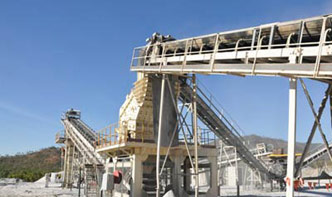
Modern crushing plants, such as those compliant with GMP (Good Manufacturing Practice) standards, integrate cutting-edge technologies:
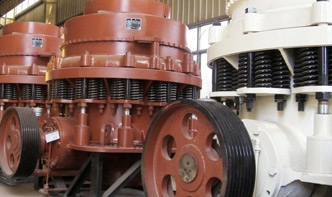
1. Multi-Stage Crushing: Jaw crushers, cone crushers, and impact crushers work sequentially to produce uniformly graded aggregates.
2. Vertical Shaft Impact (VSI) Crushers: Key for producing cubical M-Sand with low flakiness, ideal for concrete and asphalt mixes.
3. Automation & IoT: Smart systems optimize production efficiency, reduce downtime, and monitor wear parts in real time.
Key Applications
FAQ Section
Q: How does M-Sand compare to natural sand?
A: M-Sand offers superior consistency, fewer impurities, and better bonding with cement due to its angular texture.
Q: What maintenance is required for VSI crushers?
A: Regular rotor inspections, lubrication checks, and wear part replacements (e.g., anvils) are critical to maintain output quality.
Q: Can crushing plants be relocated?
A: Modular designs allow quick dismantling and reassembly for mobile or temporary projects.
Case Study: Bounty Fresh Processing Plant
A Southeast Asian quarry upgraded to a 200 TPH GMP-compliant plant featuring a VSI crusher and air classifier. The result:
Conclusion
Investing in advanced crushing technology not only future-proofs operations but also aligns with circular economy principles by recycling construction waste into usable aggregates. As regulations tighten, automated, eco-friendly plants will dominate the industry’s next phase.

