Crushing and Sand-Making Equipment in the Aggregates Industry
The aggregates industry plays a pivotal role in global infrastructure development, supplying essential materials like sand, gravel, and crushed stone for construction, roads, and concrete production. Central to this sector are crushing and sand-making machines, which transform raw materials into high-quality aggregates with precise gradation.
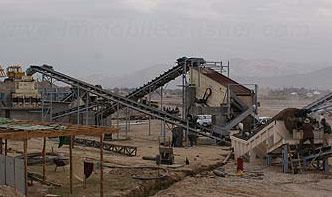
1. Jaw Crushers: Primary crushers for coarse reduction of hard rock. Ideal for quarries due to high capacity and rugged design.
2. Cone Crushers: Secondary/Tertiary crushers offering finer output with adjustable settings for varied aggregate sizes.
3. Impact Crushers: Versatile machines for softer materials (e.g., limestone), producing cubical-shaped end products.
4. Vertical Shaft Impactors (VSI): Critical for sand-making, shaping particles to improve concrete workability and strength.
5. Screening & Washing Systems: Ensure proper sizing and remove impurities (clay, dust) to meet industry standards (e.g., ASTM C33).
Q1: How to minimize dust in crushing plants?
A: Use water sprays, enclosures around transfer points, and baghouse filters coupled with proper ventilation.
Q2: What’s the typical lifespan of crusher wear parts?
A: Varies by material abrasiveness—e.g., manganese jaws last 500–1,000 hours in granite applications; regular rotation extends longevity.
Q3: Can recycled concrete be processed?
A: Yes! Impact crushers excel at recycling demolition waste into RCA (Recycled Concrete Aggregate), reducing landfill use.
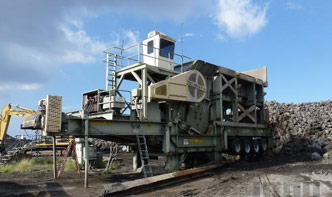
A limestone operation replaced outdated hammer mills with a VSI-centric circuit, boosting sand yield by 30% while meeting DOT specifications for road base. The setup included:
Sustainability drives innovation—hybrid power systems (solar+diesel), AI-powered predictive maintenance, and zero-waste water recycling are gaining traction globally.
By integrating advanced crushing technology with operational best practices, producers can achieve higher efficiency, lower costs, and compliance with stringent environmental regulations—key to thriving in the competitive aggregates market.

