Chrome Beneficiation Plant CAPEX: Key Considerations for Mineral Processing
The chrome beneficiation industry plays a critical role in producing high-grade chromite concentrate for stainless steel, alloys, and refractory applications. Establishing a chrome beneficiation plant requires significant capital expenditure (CAPEX), influenced by factors like ore characteristics, processing technology, and infrastructure.
Chromite ore typically contains 30–50% Cr₂O₃ and requires beneficiation to remove impurities like silica and iron oxides. The process involves crushing, screening, gravity separation (spirals, jigs), and magnetic separation. Given the rising demand for ferrochrome in steel production, efficient beneficiation plants are essential to maximize recovery rates (often 60–80%).
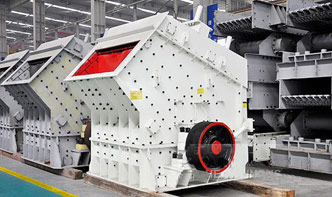
1. Crushing & Grinding: Primary jaw crushers and cone crushers reduce ore size, while ball mills fine-grind for liberation. High-capacity units increase upfront costs but improve long-term efficiency.
2. Gravity Separation: Spirals and shaking tables dominate chrome recovery; dense-media cyclones may be used for high-grade ores.
3. Tailings Management: Dry stacking vs. wet tailings ponds impact land use and environmental compliance costs.
CAPEX ranges from $10M–$50M+, depending on:
Q: How to optimize CAPEX for small-scale operations?
A: Modular plants with pre-engineered designs reduce construction time/costs. Used equipment can also lower initial investment.
Q: What’s the ROI timeline?
A: Typically 3–7 years, contingent on chromite market prices (~$200–$400/tonne concentrate).
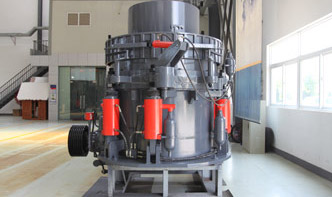
A 200 TPH plant in Limpopo utilized a three-stage crushing circuit (+HPGR), spiral concentrators, and a filter press for tailings. CAPEX totaled $28M, achieving 72% recovery with payback in 4 years due to local smelter partnerships.
Balancing CAPEX with operational efficiency is crucial in chrome beneficiation. Partnering with experienced engineering firms ensures optimal technology selection and cost control—key to thriving in this competitive sector.

