Copper Dross Processing Machines and the Aggregate Industry: A Comprehensive Overview
The global demand for copper continues to rise, driven by its extensive use in electrical wiring, renewable energy systems, and construction. However, copper production generates significant by-products like copper dross, a residue rich in recoverable metals. Efficient processing of this material requires specialized machinery, often integrated into broader aggregate and recycling operations.
The sand and gravel (aggregate) industry plays a pivotal role in construction, providing raw materials for concrete, asphalt, and infrastructure projects. With sustainability becoming a priority, recycling industrial by-products like copper dross into usable materials aligns with circular economy principles. Copper dross processing machines—such as crushers, grinders, and magnetic separators—enable the recovery of valuable metals while reducing waste.
1. Jaw Crushers: Primary crushing of coarse dross into manageable sizes.
2. Hammer Mills/Ball Mills: Fine grinding to liberate metallic particles from slag.
3. Magnetic Separators: Extract ferrous contaminants from non-ferrous metals.
4. Vibrating Screens: Classify processed material for further refinement or reuse.
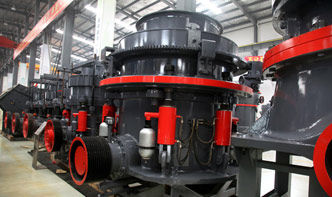
These machines are often adapted from traditional aggregate processing systems but are optimized for higher abrasion resistance due to the harsh nature of metallurgical waste.
Q: Can copper dross processing machines handle other metallurgical wastes?
A: Yes, many systems are designed to process similar by-products like zinc ash or aluminum dross with minor adjustments.
Q: What maintenance is required for these machines?
A: Regular wear-part inspections (e.g., liners, hammers) and lubrication are critical due to abrasive materials.
Q: Is the processed slag safe for construction use?
A: After proper treatment to remove toxic elements (e.g., lead), it can meet regulatory standards for secondary aggregates.
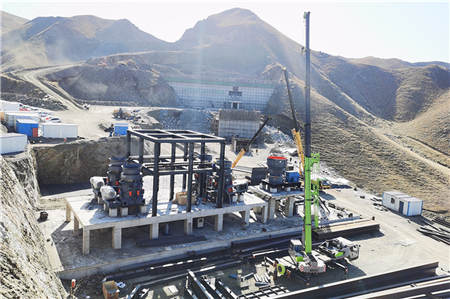
A copper smelter in Chile integrated a custom dross processing line featuring a jaw crusher, ball mill, and magnetic separation system. The plant achieved 85% metal recovery while converting the residual slag into railroad ballast, reducing disposal costs by 40%.
Copper dross processing machinery bridges metallurgy and aggregate production, offering economic and environmental benefits. As industries prioritize resource efficiency, these systems will become indispensable in sustainable material management strategies.

