The Role of Impact Crushers as Primary Crushers in Aggregate Production
The aggregate and sand production industry is a cornerstone of modern infrastructure development, supplying materials for construction, roads, and concrete. Among the key equipment used in this sector, impact crushers have gained prominence not only as secondary or tertiary crushers but also as primary crushers in certain applications. This shift reflects advancements in technology and changing operational demands.
Primary crushing is the first stage in reducing large rocks or raw quarry materials into manageable sizes. Traditionally, jaw crushers and gyratory crushers dominate this stage due to their high capacity and robustness. However, impact crushers are increasingly being adopted as primary units, particularly for softer or less abrasive materials like limestone, recycled concrete, and asphalt.
1. High Reduction Ratio: Modern impact crushers can achieve reduction ratios of up to 20:1, minimizing the need for multiple crushing stages.
2. Cubical Product Shape: Unlike jaw crushers that produce flaky outputs, impact crushers generate more uniform, cubical aggregates—ideal for concrete and asphalt mixes.
3. Versatility: They handle varying feed sizes efficiently and can process sticky or moist materials better than jaw crushers in some cases.
4. Lower Operational Costs: Fewer stages mean reduced energy consumption and maintenance overheads.
However, impact crushers may not be suitable for extremely hard or abrasive materials (e.g., granite) without significant wear-part replacements.
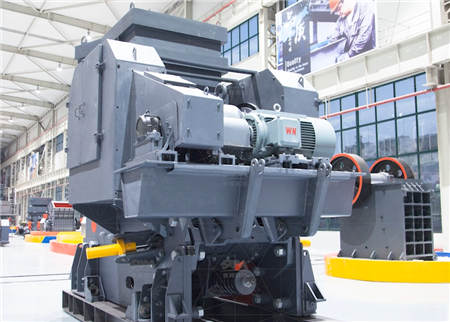
A: Not always—it depends on material hardness and production goals. Jaw crushers remain preferable for very hard rocks.
A: Impact crusher wear parts (blow bars, aprons) may require more frequent replacement when processing abrasive feeds compared to jaw liners.
A: Most models accept feeds up to 24–30 inches but verify with manufacturer specifications based on rotor size/horsepower.
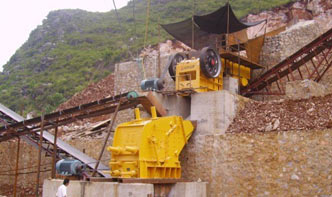
A quarry in Texas switched from a traditional jaw-cone setup to a primary horizontal shaft impactor (HSI) for limestone processing. The result was a 15% increase in throughput due to fewer blockages and improved product shape—leading to higher sales prices for premium aggregates used in ready-mix concrete plants.
While not universally applicable, impact crushers offer compelling advantages as primary units where material characteristics align with their strengths—delivering efficiency gains without compromising end-product quality.As technology evolves,the role of these machines will likely expand further within modern aggregate operations worldwide.”

