The Role of Hammer Mills in Aggregate Processing: A Focus on the Fritzpatrick D6A
The aggregate and sand production industry is a cornerstone of modern construction, providing essential materials for infrastructure, buildings, and roads. Among the critical equipment used in this sector, hammer mills stand out for their versatility in crushing and grinding applications. The Fritzpatrick D6A Hammer Mill exemplifies this technology, offering robust performance for processing minerals, limestone, and other raw materials into finely graded aggregates.
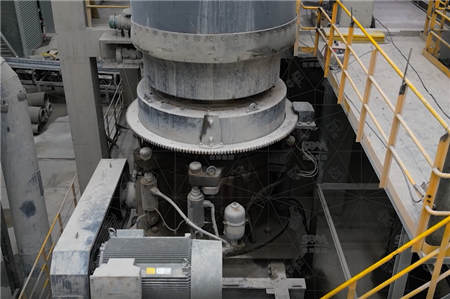
Global demand for high-quality sand and gravel continues to rise, driven by urbanization and infrastructure projects. Traditional jaw crushers and cone crushers dominate primary crushing stages, but hammer mills like the Fritzpatrick D6A excel in secondary or tertiary reduction. Their ability to handle abrasive materials with adjustable particle sizes makes them indispensable in producing consistent砂石骨料 (sand and gravel aggregates).
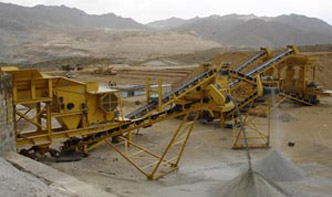
1. High-Speed Impact Crushing: Equipped with rotating hammers and a serrated liner, the D6A delivers efficient size reduction through kinetic energy.
2. Adjustable Particle Size: Screen interchangeability allows operators to tailor output from coarse aggregates to fine sands (0.1–5 mm).
3. Durability: Constructed with wear-resistant alloys, it minimizes downtime in high-abrasion environments.
4. Compact Design: Suitable for both stationary plants and mobile crushing setups.
Q: What materials can the D6A process?
A: It handles limestone, gypsum, coal, and recycled concrete—ideal for diversified aggregate production.
Q: How does maintenance compare to other crushers?
A: Hammer replacement is straightforward due to modular designs, reducing service time versus cone crushers’ mantle changes.
Q: Is dust control integrated?
A: Optional cyclones or baghouse systems can be paired to meet environmental regulations.
A quarry in Texas upgraded to Fritzpatrick D6A units for processing recycled concrete aggregates (RCA). The hammer mills achieved 98% passing 3/8″ screens while reducing fines generation by 15% compared to older vertical shaft impactors (VSIs). This translated to higher yields for asphalt mix production without additional screening stages.
The Fritzpatrick D6A hammer mill bridges efficiency and flexibility in aggregate processing—an asset for producers aiming to optimize gradation control while lowering operational costs. As sustainability mandates grow around recycled materials adoption such as RCA its role will only expand further within modern骨料生产线 (aggregate production lines).

