Sand Separator from Crusher Dust: Enhancing Efficiency in Aggregate Production
The aggregate industry plays a pivotal role in construction, providing essential materials like sand, gravel, and crushed stone. Among these, crusher dust—a byproduct of crushing operations—often contains fine particles that can be reprocessed into high-quality sand. However, separating usable sand from crusher dust requires specialized equipment, such as sand separators, to optimize resource utilization and meet stringent quality standards.
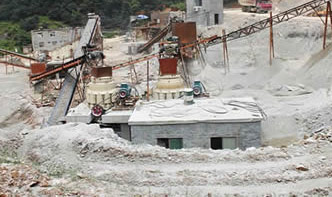
With rising demand for sustainable construction practices, recycling crusher dust into saleable sand reduces waste and lowers production costs. Traditional methods like manual screening or basic sieving are inefficient for large-scale operations. Modern sand separators leverage advanced technologies—such as air classification, centrifugal force, or wet processing—to achieve precise particle separation while minimizing energy consumption.
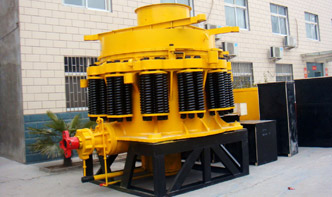
1. High-Efficiency Separation: Advanced separators classify particles by size and density, ensuring consistent output for concrete or asphalt mixes.
2. Adaptability: Compatible with various feed materials (e.g., limestone, granite) and moisture levels.
3. Low Maintenance: Robust designs reduce downtime due to wear-resistant components.
4. Environmental Compliance: Dust suppression systems align with regulatory requirements.
A: Yes, certain models incorporate dewatering screens or hydrocyclones for moist feed.
A: Up to 95% purity for fine sand (0-5mm), depending on feedstock and separator type.
A: Modular designs allow seamless retrofitting post-primary/secondary crushing stages.
A quarry in Texas upgraded its crushing circuit with a centrifugal sand separator, recovering 30 tons/hour of premium sand from previously discarded dust. The ROI was achieved within 8 months due to reduced waste disposal costs and additional product revenue.
Investing in a sand separator transforms crusher dust from a waste liability into a profitable resource while supporting sustainable production goals. As technology evolves, these systems will become indispensable for competitive aggregate operations worldwide.

