The Role of Coal Fire Pulverizer Equipment in Modern Aggregate Processing Plants
The aggregate and sand production industry is a cornerstone of infrastructure development, providing essential materials for construction, road building, and concrete manufacturing. Among the critical equipment in this sector, coal fire pulverizers play a specialized role in processing raw materials into fine particles suitable for further refinement or direct application.
Aggregate plants rely on efficient crushing and grinding machinery to transform large rocks, ores, or recycled materials into uniform sizes. While traditional jaw crushers and cone crushers dominate primary and secondary crushing stages, pulverizers—particularly those powered by coal-fired systems—are employed for ultra-fine grinding tasks. These machines are vital in regions where coal is a cost-effective energy source or where waste coal byproducts must be repurposed.
1. High Grinding Efficiency: Designed to reduce materials to micrometer-scale particles, these pulverizers ensure optimal material utilization for applications like cement production or soil stabilization.
2. Robust Construction: Heavy-duty alloys and wear-resistant linings extend equipment lifespan despite abrasive operating conditions.
3. Energy Flexibility: Coal-fired systems offer an alternative to electric or diesel-powered units, reducing operational costs in areas with limited power infrastructure.
4. Environmental Controls: Modern variants integrate emission-reduction technologies (e.g., bag filters) to comply with air quality standards.
A: While both achieve fine grinding, pulverizers use high-speed impact and attrition, whereas ball mills rely on tumbling media. Pulverizers are generally more energy-efficient for dry materials.
A: No—coal pulverizers typically require dry feed to prevent clogging and maintain combustion efficiency. Pre-drying may be necessary for moisture-rich inputs.
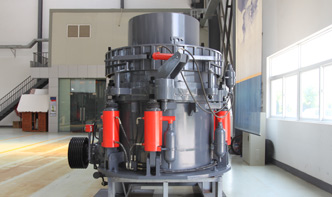
A: Regular inspection of grinding rollers/tires, lubrication of bearings, and monitoring of combustion chambers are essential to prevent downtime.
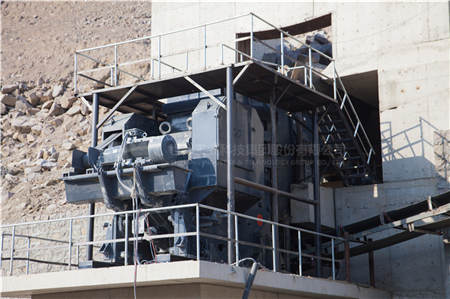
A quarry in Southeast Asia integrated a coal-fired pulverizer to process limestone fines into agricultural lime powder. By leveraging local coal reserves, the plant reduced energy costs by 30% compared to electric grinders while achieving a consistent product fineness of 200 mesh (~74 microns). The system’s success hinged on customized airflow adjustments to balance throughput and particle size distribution.
Though niche compared to mainstream crushing equipment, coal fire pulverizers remain indispensable in specific contexts—offering cost savings, material versatility, and precision grinding capabilities. As sustainability pressures grow, innovations in clean combustion and hybrid energy systems may expand their relevance in the aggregate sector.

