Building a Stone Crusher: Key Considerations for Aggregate Production
The global construction industry relies heavily on crushed stone and sand as essential raw materials for infrastructure projects. With urbanization accelerating, the demand for high-quality aggregates continues to rise. Stone crushers play a pivotal role in transforming large rocks into usable gravel, sand, or dust for concrete, roads, and other applications.
A well-designed stone crusher integrates several critical elements:
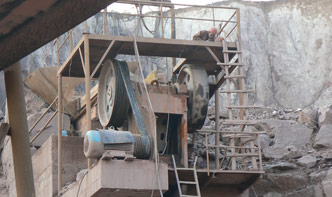
1. Primary Crusher (Jaw/Cone/Impact) – Breaks down large rocks into smaller fragments. Jaw crushers are ideal for hard materials, while impact crushers suit softer stones.
2. Secondary/Tertiary Crushers – Further refine material size (e.g., cone crushers for uniform shaping).
3. Vibrating Screens – Separate crushed material by size gradation.
4. Conveyor Systems – Transport processed aggregates efficiently.
5. Dust Suppression Units – Minimize environmental pollution during operation.
Modern designs prioritize automation, energy efficiency, and ease of maintenance to reduce downtime and operational costs.
Q1: What’s the difference between fixed and mobile crushers?
Q2: How to choose the right crushing ratio?
Q3: What maintenance is required?
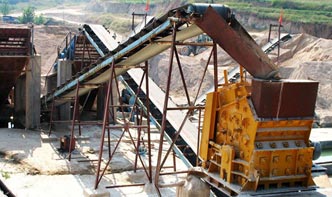
A Southeast Asian quarry upgraded to a 200 TPH mobile crushing plant, reducing fuel consumption by 15% with hybrid power options. The setup included a primary jaw crusher + secondary cone crusher + triple-deck screen, achieving 0-5mm sand and 20-40mm gravel simultaneously for local road construction demands.
Investing in the right stone crusher requires balancing output requirements, material hardness, and operational costs. Partnering with experienced manufacturers ensures optimal performance tailored to specific project needs—whether for mining, recycling, or construction applications.

