Challenges and Solutions in Crushing and Sand-Making Equipment for Aggregate Industry
The aggregate industry plays a pivotal role in construction, providing essential materials like sand, gravel, and crushed stone. With urbanization accelerating globally, the demand for high-quality aggregates has surged, driving innovations in crushing and sand-making equipment. However, the industry faces several challenges that impact efficiency, sustainability, and profitability.
1. Wear and Tear of Components
High-abrasion materials like granite, basalt, and quartz accelerate the wear of crusher liners, impact plates, and rotor blades. Frequent replacements increase downtime and maintenance costs.
2. Energy Consumption
Traditional jaw crushers and cone crushers often consume excessive power, raising operational expenses. Optimizing energy efficiency without compromising output remains a critical focus.
3. Dust and Noise Pollution
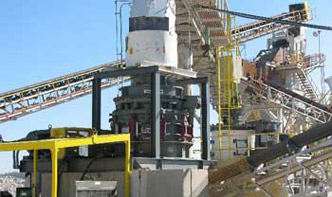
Crushing operations generate significant dust and noise, posing environmental and health risks. Regulatory compliance demands advanced dust suppression systems and soundproofing measures.
4. Product Gradation Control
Inconsistent particle size distribution affects the quality of manufactured sand (M-Sand), leading to rejection in high-spec applications like ready-mix concrete.
5. Moisture Content Management
Wet processing can cause clogging in crushers and screens, while dry methods may produce excess dust. Balancing moisture levels is essential for smooth operation.
Q: How to reduce maintenance costs in crushing plants?
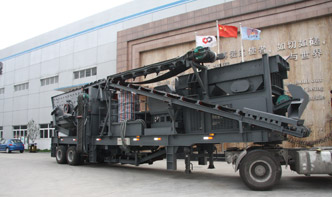
A: Regular lubrication, using premium wear parts, and adopting predictive maintenance technologies (e.g., vibration monitoring) can slash downtime by up to 30%.
Q: What’s the ideal equipment for producing M-Sand?
A: VSI crushers or multi-stage crushing circuits (jaw + cone + shaping screen) ensure optimal gradation meeting IS 383 standards.
A project in Texas replaced outdated hammer mills with a VSI crusher + air classifier setup, boosting sand yield by 25% while cutting power use by 15%. Dust emissions were reduced by 90% via enclosed conveyors and mist cannons.
By addressing these challenges with advanced technology and best practices, the aggregate industry can achieve higher productivity while minimizing environmental impact—a win-win for operators and ecosystems alike.

