Quartz Sand Processing Line: A Comprehensive Guide
The global demand for high-quality quartz sand has surged due to its extensive applications in glass manufacturing, foundry, ceramics, and construction industries. As a key raw material, quartz sand must meet strict purity and particle size specifications, driving the need for efficient processing lines. This article explores the core components of a quartz sand processing line, industry trends, and practical insights.
Quartz sand is derived from quartz-rich rocks through crushing, screening, washing, and purification. The growing construction sector and advancements in industrial applications necessitate advanced processing equipment to ensure consistent quality and high yield.
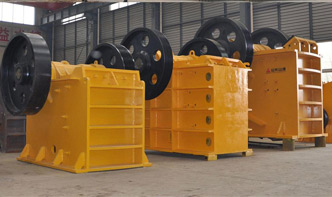
1. Primary Crushing: Jaw crushers or gyratory crushers break large quartz rocks into smaller fragments (≤50mm).
2. Secondary Crushing: Cone crushers or impact crushers further reduce the material to ≤20mm for optimal grinding efficiency.
3. Grinding: Ball mills or vertical roller mills pulverize the crushed quartz into fine particles (0.1–0.6mm).
4. Screening: Vibrating screens classify sand by size; oversized particles are recycled for re-crushing.
5. Washing & Purification: Attrition scrubbers remove impurities (clay, iron oxides) via water-based cleaning or magnetic separation.
6. Drying & Packaging: Rotary dryers reduce moisture content before packaging for storage or shipment.
Q1: What’s the typical output of a 100t/h quartz sand line?
A: Depending on raw material quality, final product yield ranges from 70–85% after accounting for waste and moisture loss.
Q2: How to mitigate iron contamination?
A: Use magnetic separators or acid leaching (for high-purity glass-grade sand). Regular equipment maintenance prevents metal wear debris.
Q3: Can tailings be recycled?
A: Yes, fine residues can be repurposed for construction fillers or cement additives after testing compliance with local regulations.
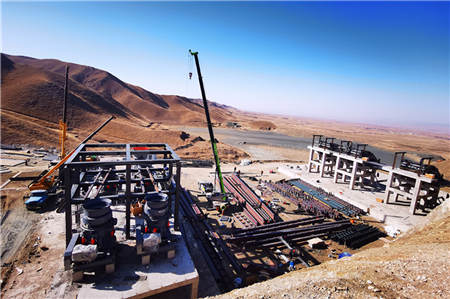
A Saudi Arabian client sought a turnkey solution for 200t/h glass-grade quartz sand (SiO₂ >99%). The configured line included:
Post-installation, the plant achieved 92% operational efficiency with automated slurry density control minimizing water waste—showcasing adaptability to arid environments.
Investing in a well-designed quartz sand processing line ensures product competitiveness by balancing cost-efficiency and quality compliance tailored to end-use requirements—whether industrial or construction-driven markets demand it today more than ever before!

