The Evolution of Crushing and Screening Equipment in the Aggregates Industry
The aggregates industry plays a pivotal role in global infrastructure development, supplying essential materials like sand, gravel, and crushed stone for construction projects. Over the past century, advancements in crushing and screening equipment have revolutionized production efficiency, sustainability, and product quality.
Industry Background
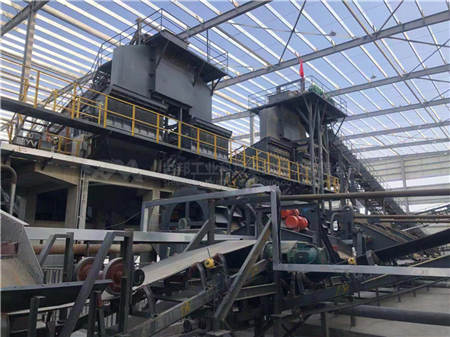
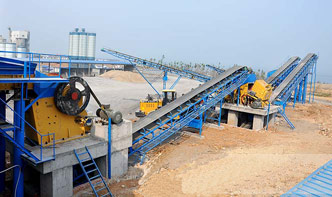
Modern aggregate processing relies on robust machinery to meet escalating demand while adhering to environmental regulations. Primary crushers (e.g., jaw crushers) break down large rocks, while secondary/tertiary crushers (cone or impact crushers) refine the material into precise gradations. Screening equipment further classifies particles by size, ensuring compliance with project specifications.
Core Innovations
1. High-Efficiency Crushers: Contemporary designs prioritize energy efficiency and reduced wear, incorporating hydraulic adjustment systems and automated controls.
2. Mobile Solutions: Track-mounted plants enable on-site processing, minimizing transport costs and environmental impact.
3. Sustainability: Dust suppression systems and noise-reduction technologies align with stricter environmental standards.
FAQ Section
A: A multi-cylinder hydraulic cone crusher offers superior crushing force and particle shape control.
A: Use tungsten carbide liners and regular maintenance protocols.
Project Case Study
A Columbia Falls quarry upgraded to a modular crushing plant, boosting output by 30% while reducing fuel consumption. The setup included a primary jaw crusher, secondary cone crusher, and triple-deck screen—delivering uniform aggregates for regional highway construction.
As technology evolves, the industry continues to prioritize automation, eco-friendly practices, and lifecycle cost reduction—ensuring reliable material supply for future infrastructure needs.

