The Environmental Impacts of Iron Ore Mining and the Role of Crushing & Sand-Making Equipment
Iron ore mining is a critical industry supporting global infrastructure and steel production. However, its environmental footprint—including habitat destruction, water pollution, and dust emissions—demands sustainable solutions. The crushing and sand-making equipment sector plays a pivotal role in mitigating these impacts by optimizing resource efficiency and reducing waste.
The demand for high-quality aggregates (sand, gravel, crushed stone) has surged with urbanization. Traditional mining practices often lead to over-exploitation and ecological damage. Modern crushing and sand-making equipment addresses these challenges by:
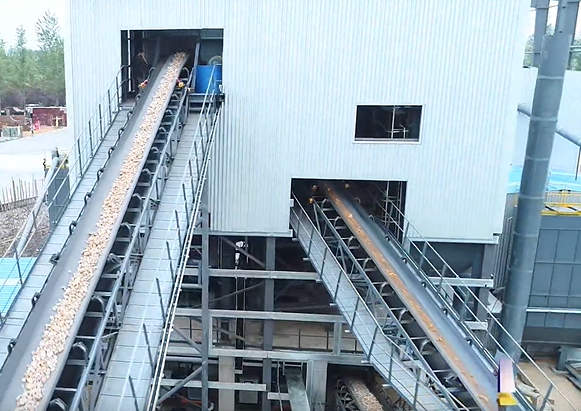
1. Jaw Crushers: Primary crushing of iron ore with high throughput and low maintenance.
2. Cone Crushers: Secondary/tertiary crushing for precise particle size control.
3. VSI Crushers: Producing manufactured sand (M-Sand) from waste rock, reducing river sand dependency.
4. Mobile Crushing Plants: Enabling on-site processing to cut transport emissions.
Q1: Can crushed iron ore waste replace natural aggregates?
Yes—processed tailings meet ASTM standards for concrete and road base layers.
Q2: How does sand-making equipment reduce water pollution?
Closed-loop water systems in washing plants prevent contaminated runoff.
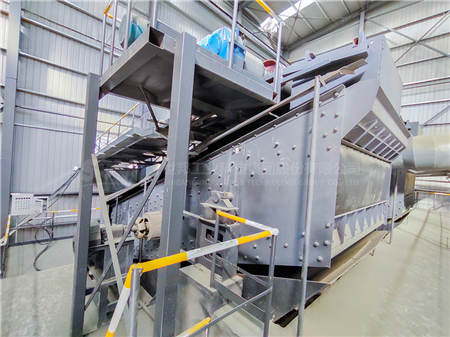
A mining firm in Australia deployed mobile VSI crushers to repurpose iron ore tailings into M-Sand for local construction. The project:
While iron ore mining poses environmental risks, innovative crushing and sand-making technologies offer scalable solutions to balance economic growth with ecological preservation. The industry’s shift toward circular economy principles underscores its commitment to sustainability.

